
Field Notes: Excavating Black Mobility and Memory at the Los Angeles Public Library
This year, NOMMO has established a new partnership with the Los Angeles Public Library and the Library Foundation of Los Angeles as part of the Centennial celebration of the Central Library in Downtown Los Angeles.
Through this collaboration, NOMMO is utilizing the Library’s collections to host a series of public programs, conversations, and cultural events. These initiatives aim to explore how archives can be transformed into contemporary tools for civic engagement, focusing on African American art, history, and culture.
Rather than viewing the archive solely as a means of preservation, these programs examine how collections can serve as points of public access, facilitate historical interpretation, and promote community dialogue, particularly in relation to Black Los Angeles.
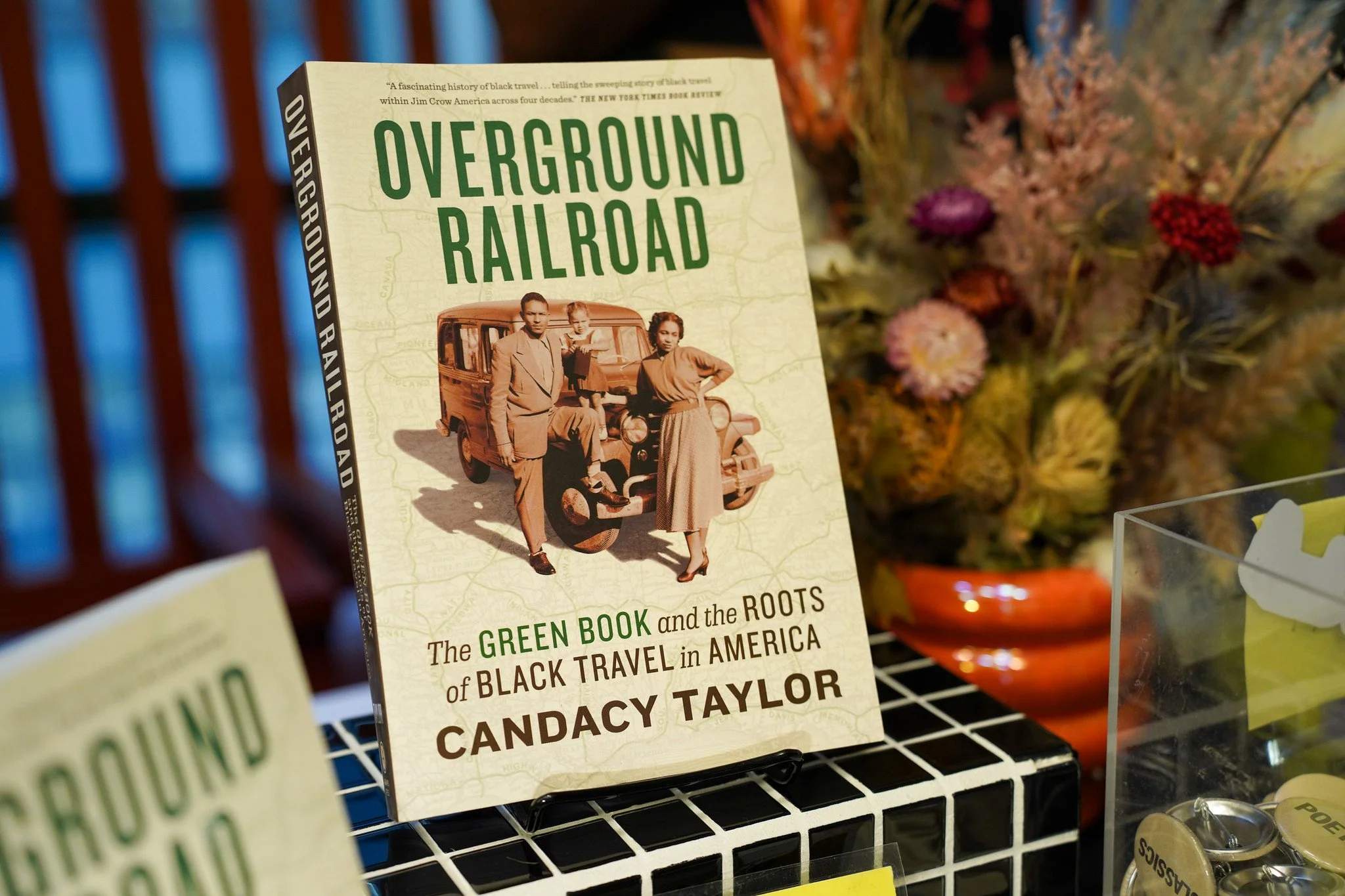
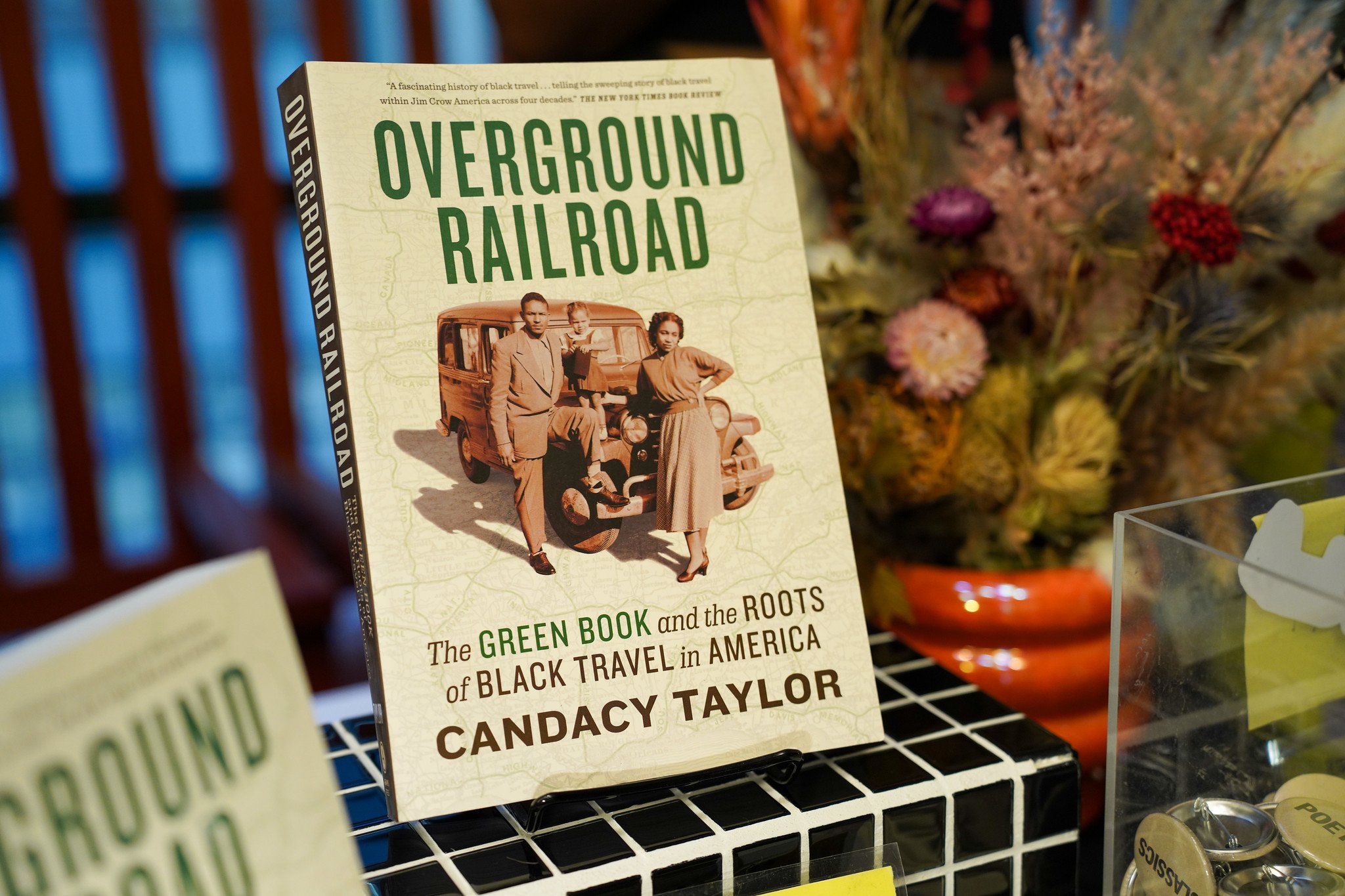
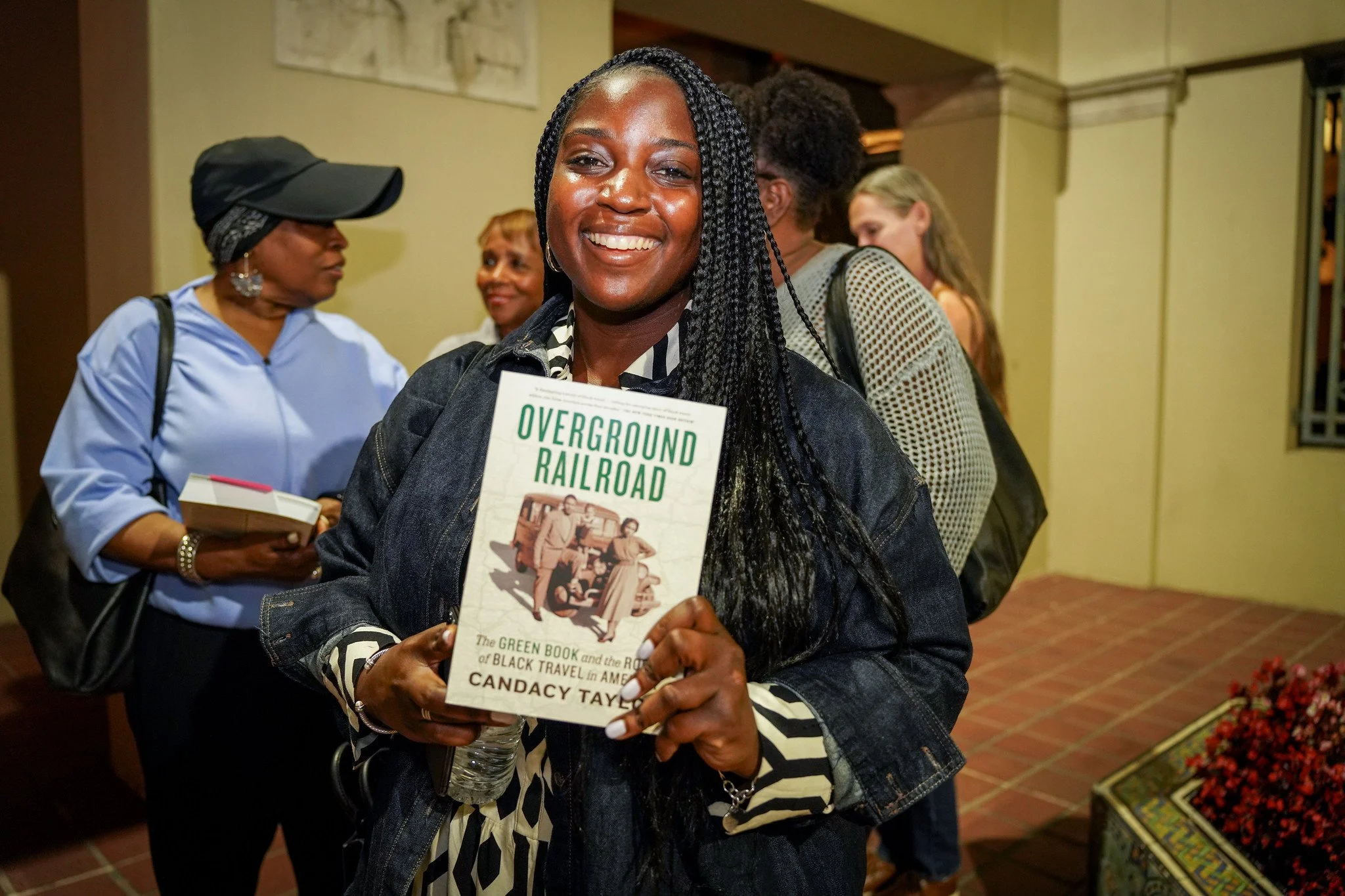
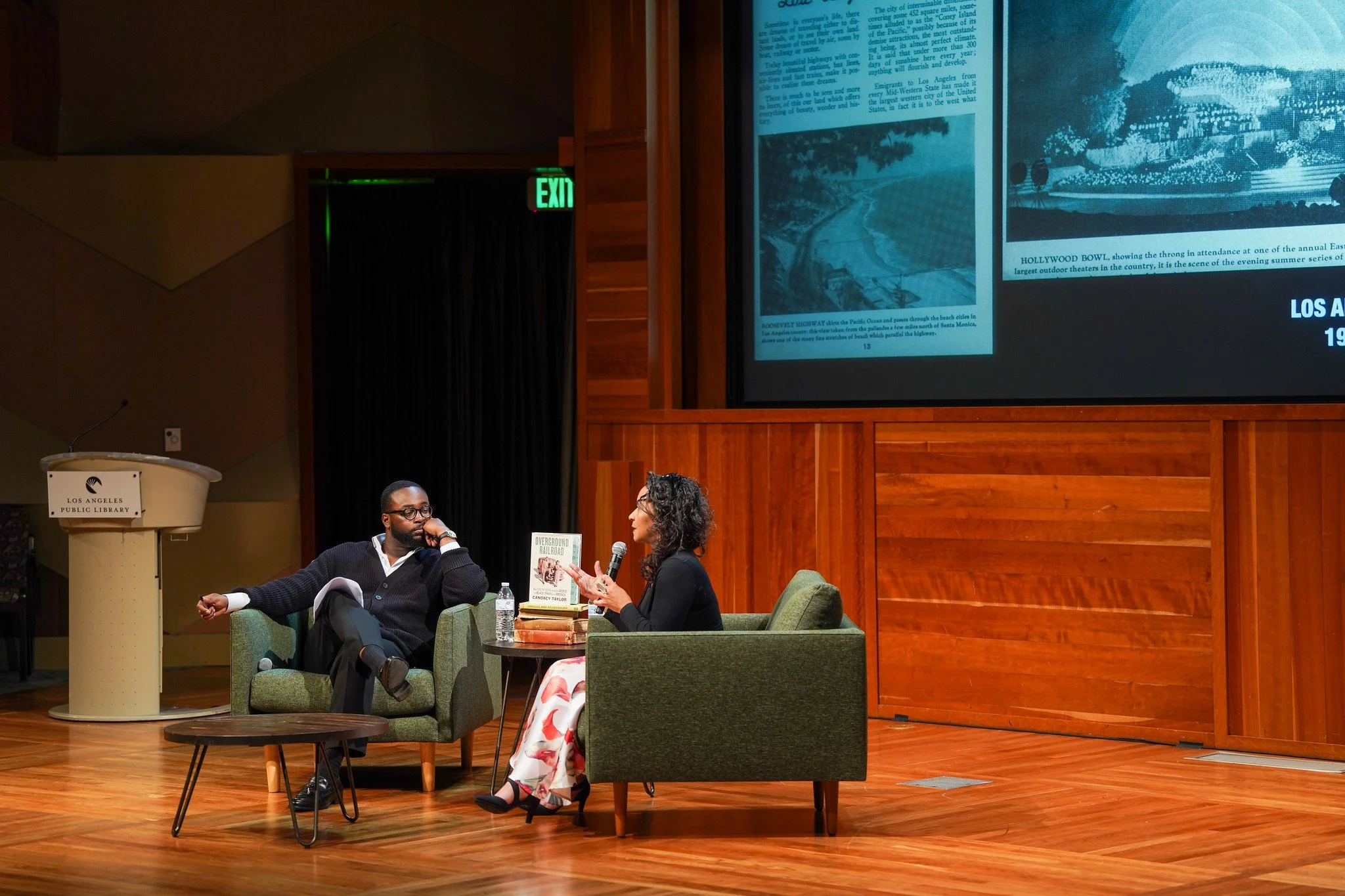
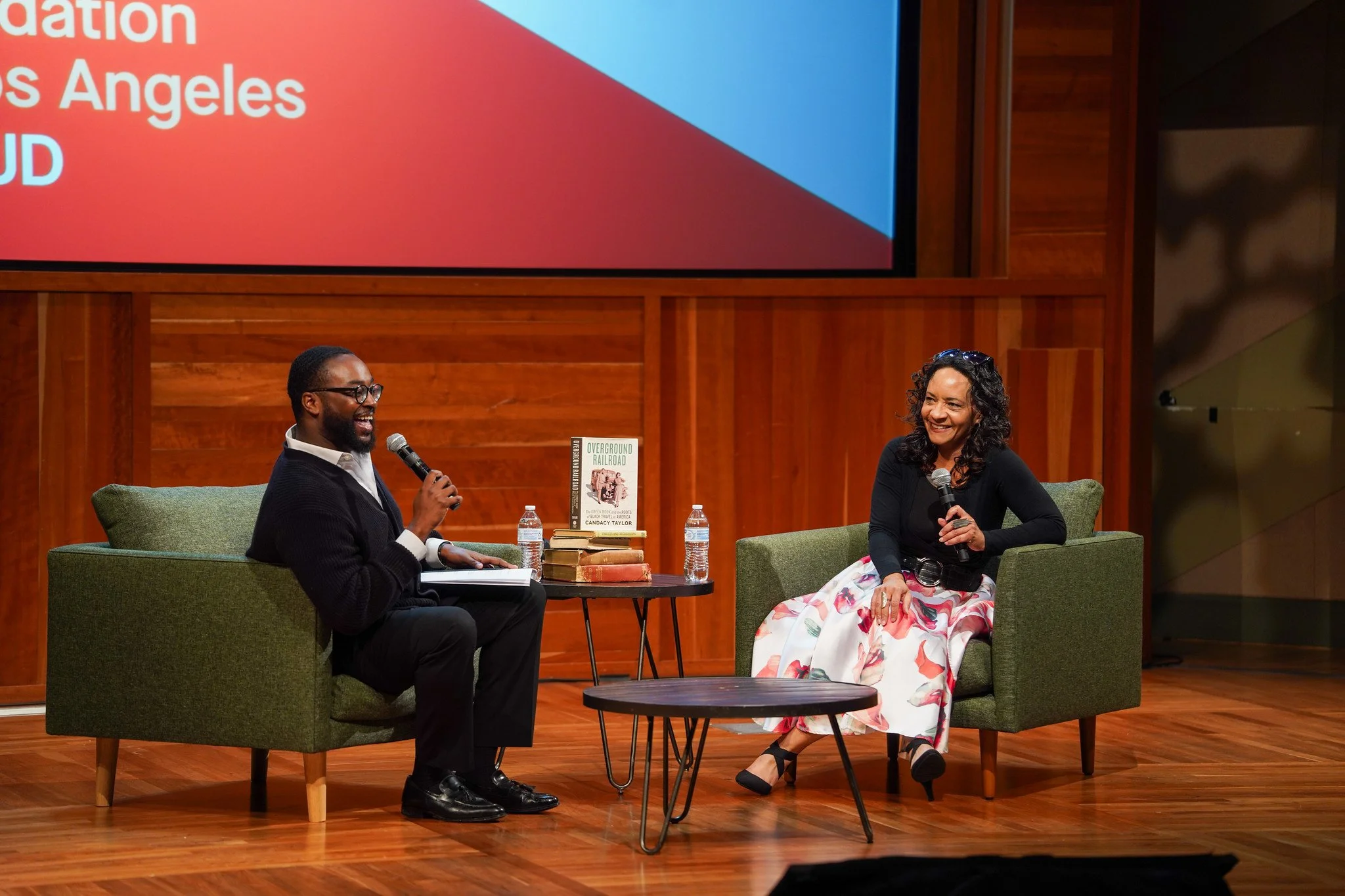
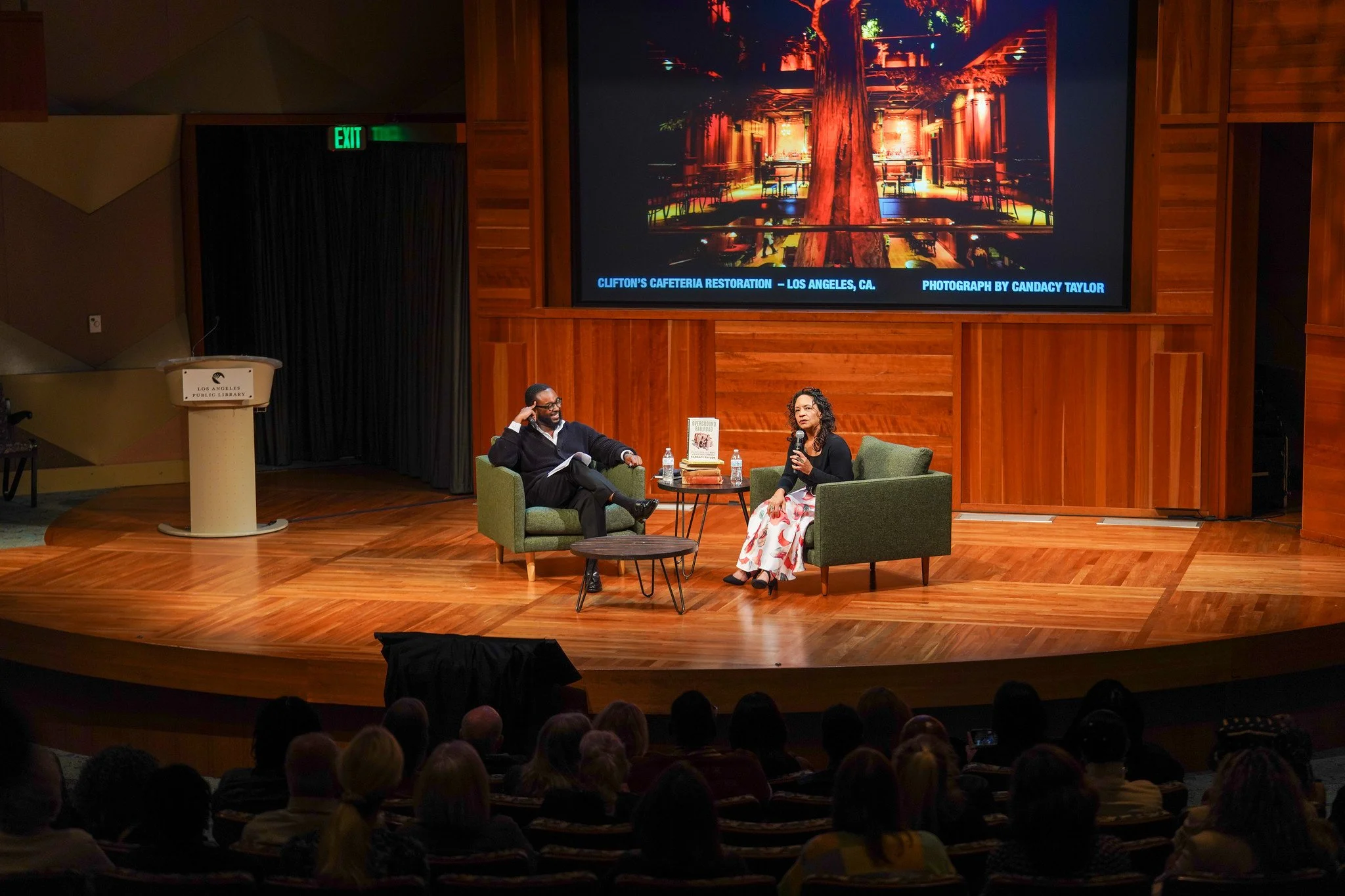
The first of these events featured cultural documentarian and author Candacy Taylor, who presented her work on the Overground Railroad and the history of the Negro Motorist Green Book.
Diving into the Archive: The Green Book Collection
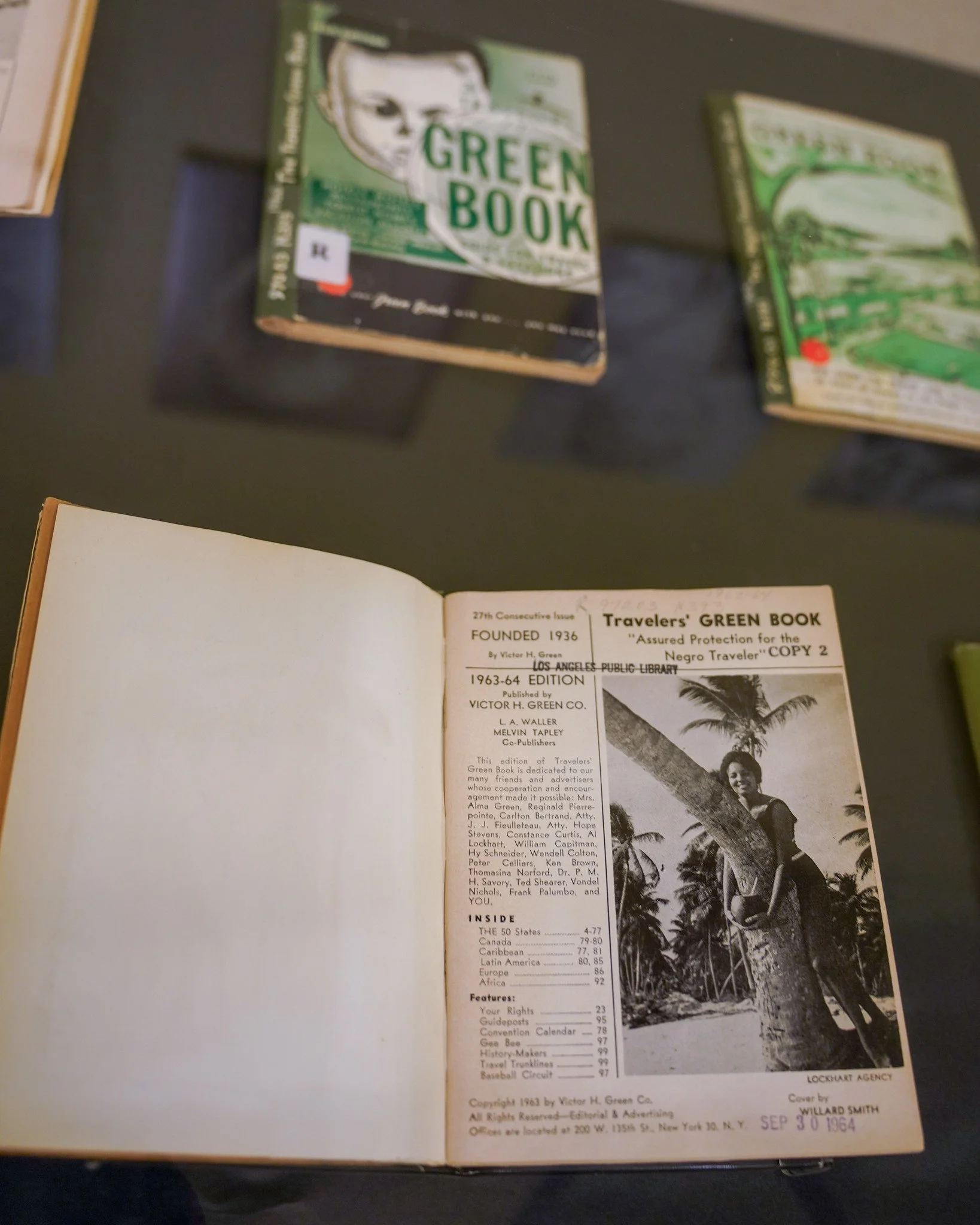
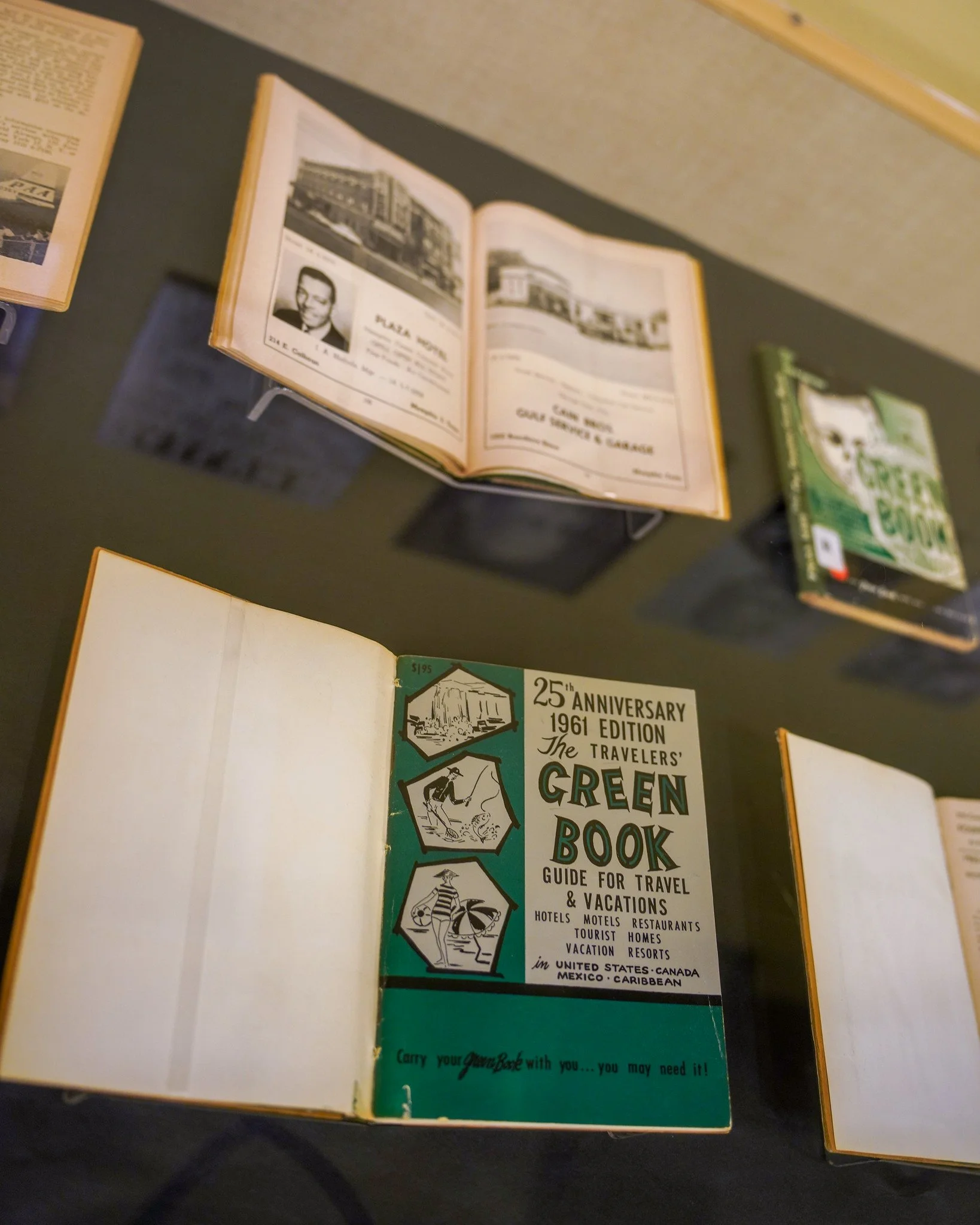
Ahead of the public program, Candacy Taylor welcomed Tyree Boyd-Pates, the founder of NOMMO, into the Los Angeles Public Library’s Green Book collection, one of the largest and best-preserved collections of its kind in the world.
Together, we explored materials related to Black travel, mobility, and leisure during the era of segregation. These materials included Green Books, travel ephemera, maps, and archival documents that reveal the infrastructure Black Americans built to navigate exclusion across the United States.
The archive provided insight into how mobility served as both a possibility and a restriction. While the Green Book is often discussed as a travel guide, the items in the collection demonstrate how it also functioned as a network of care, connecting Black travelers to businesses, neighborhoods, and spaces where their safety and dignity could be preserved.
This encounter with the archive also informed a small exhibition installation curated for the evening’s public program, translating elements of the special collections into an accessible experience for those attending the conversation.
Bringing the Green Book to the People
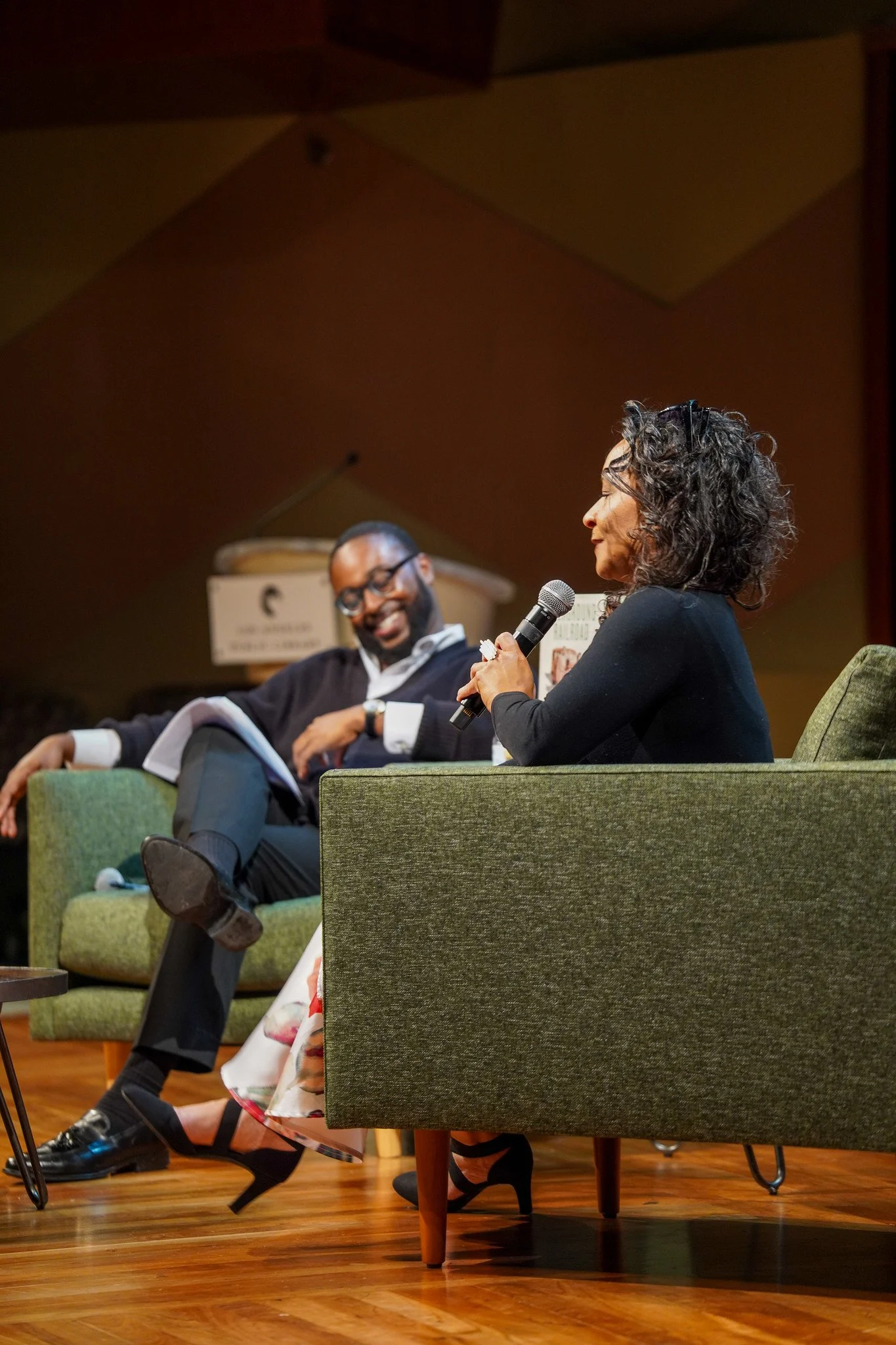
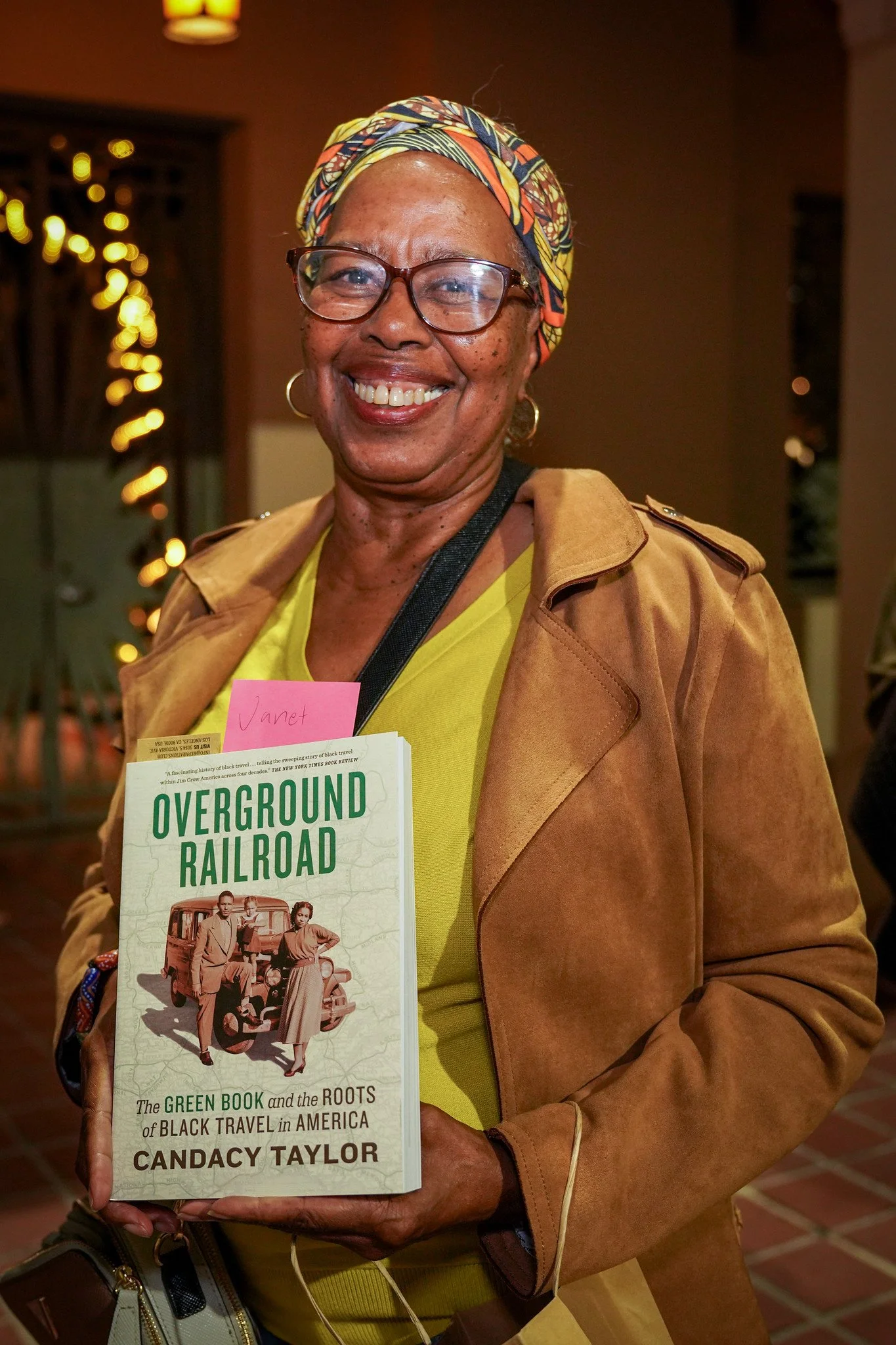
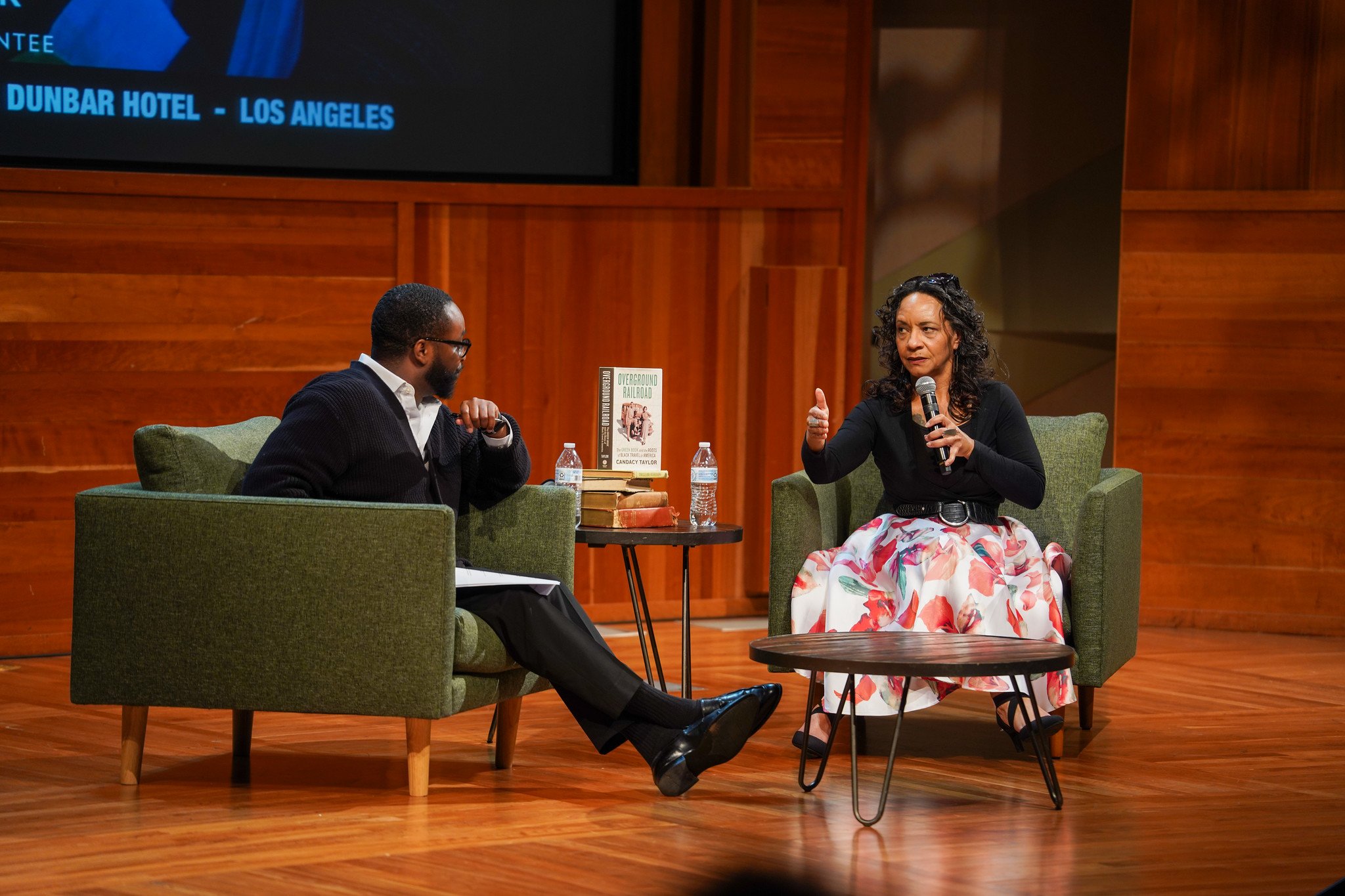
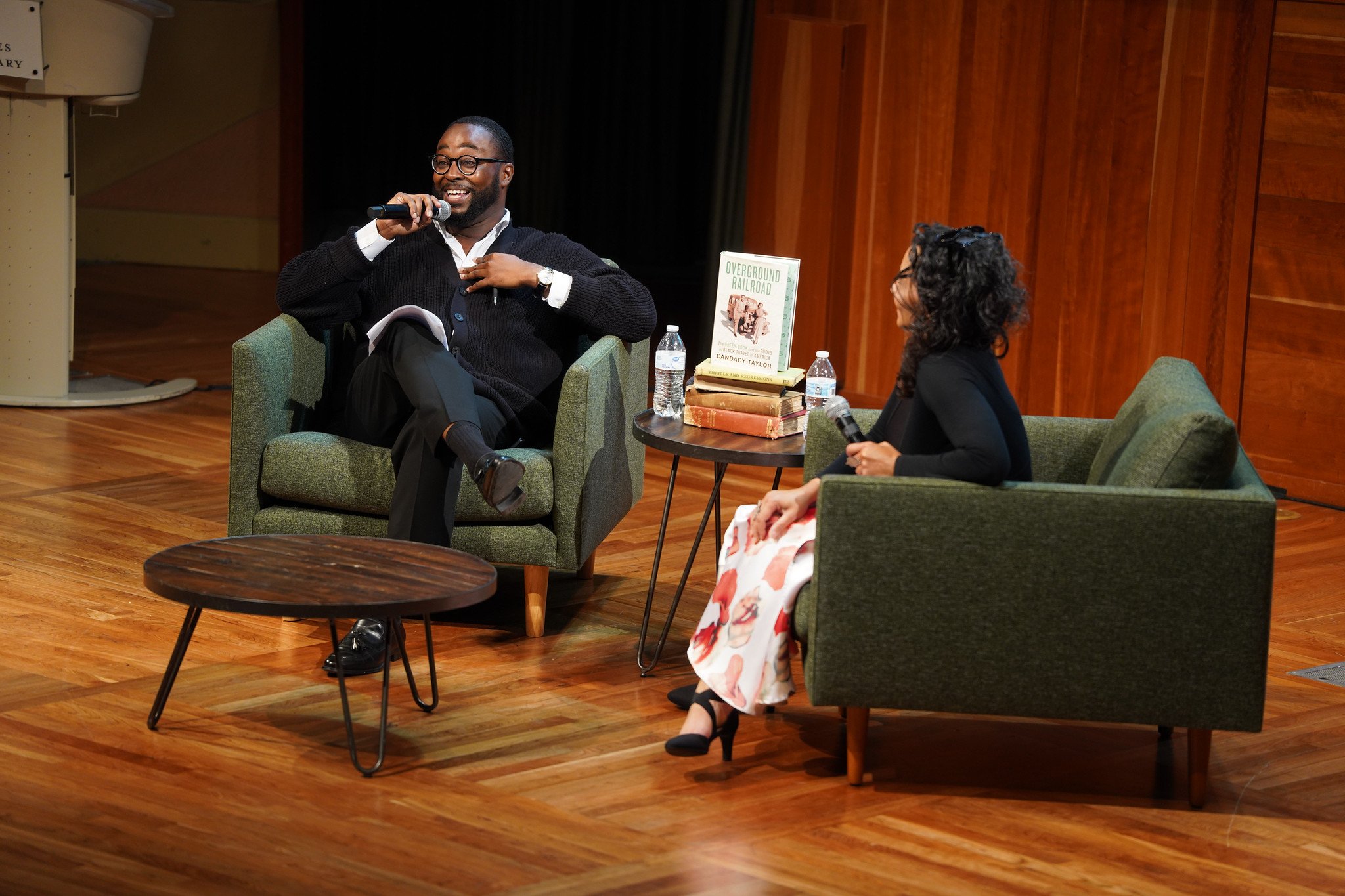
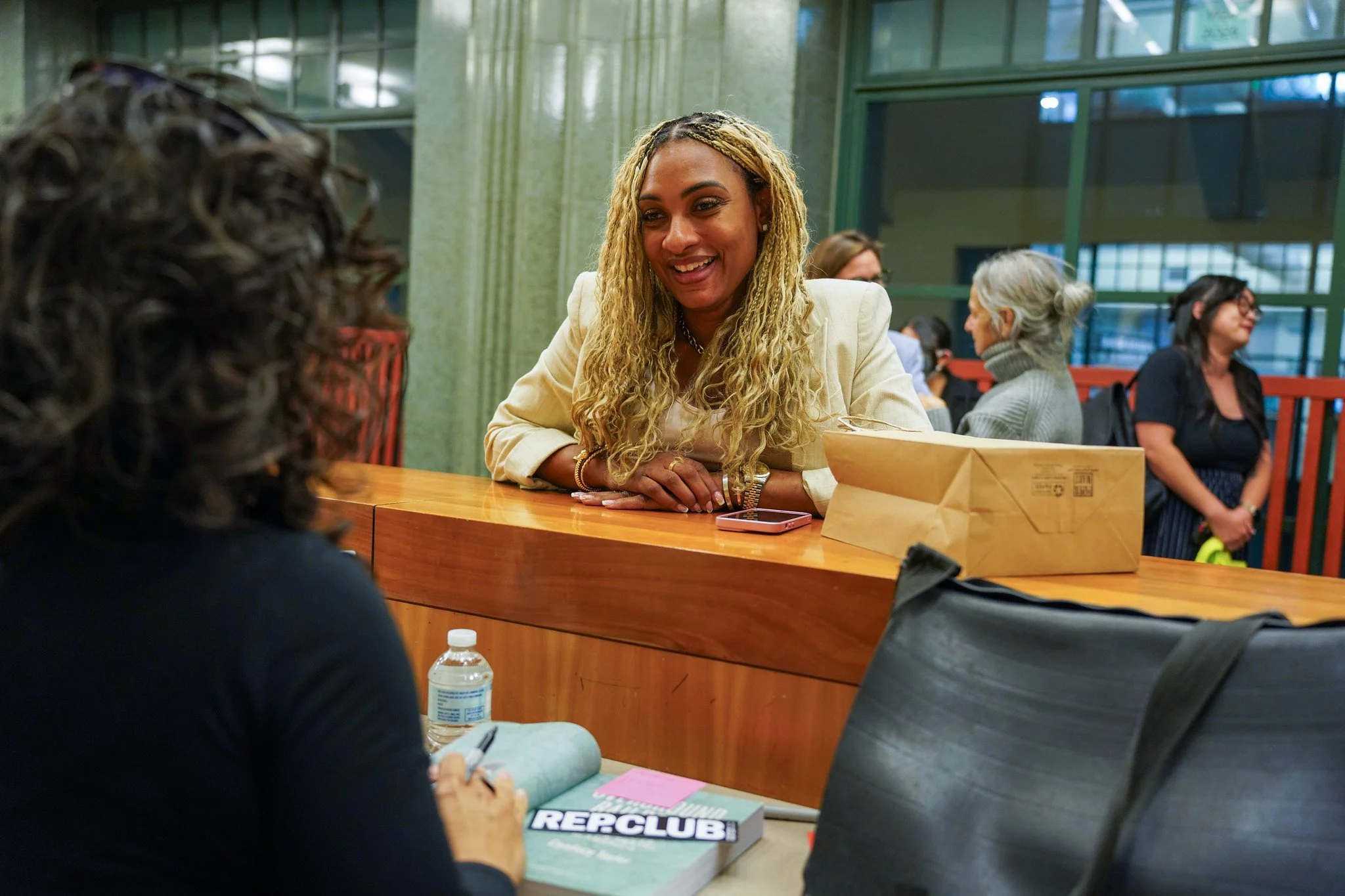
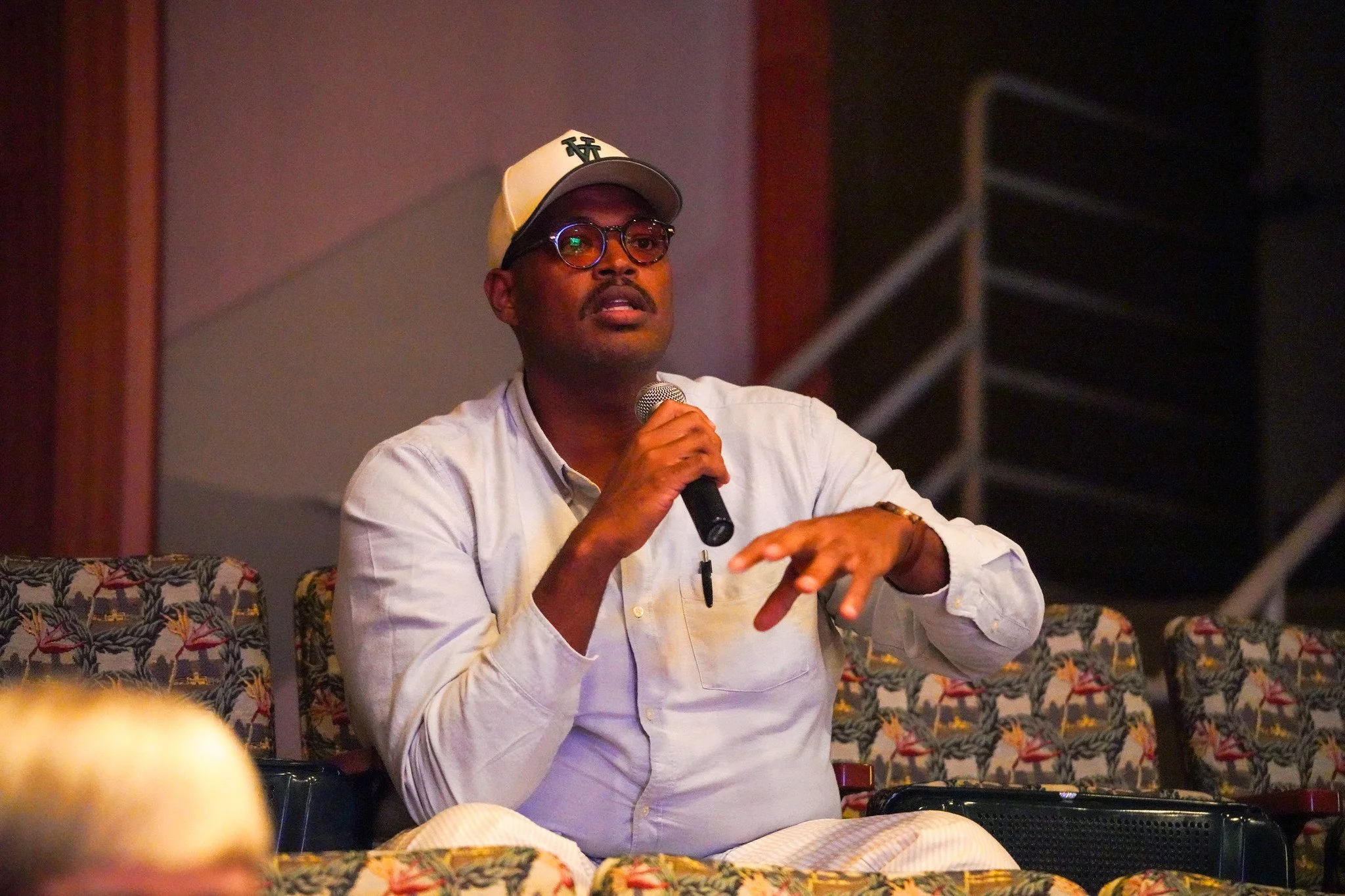
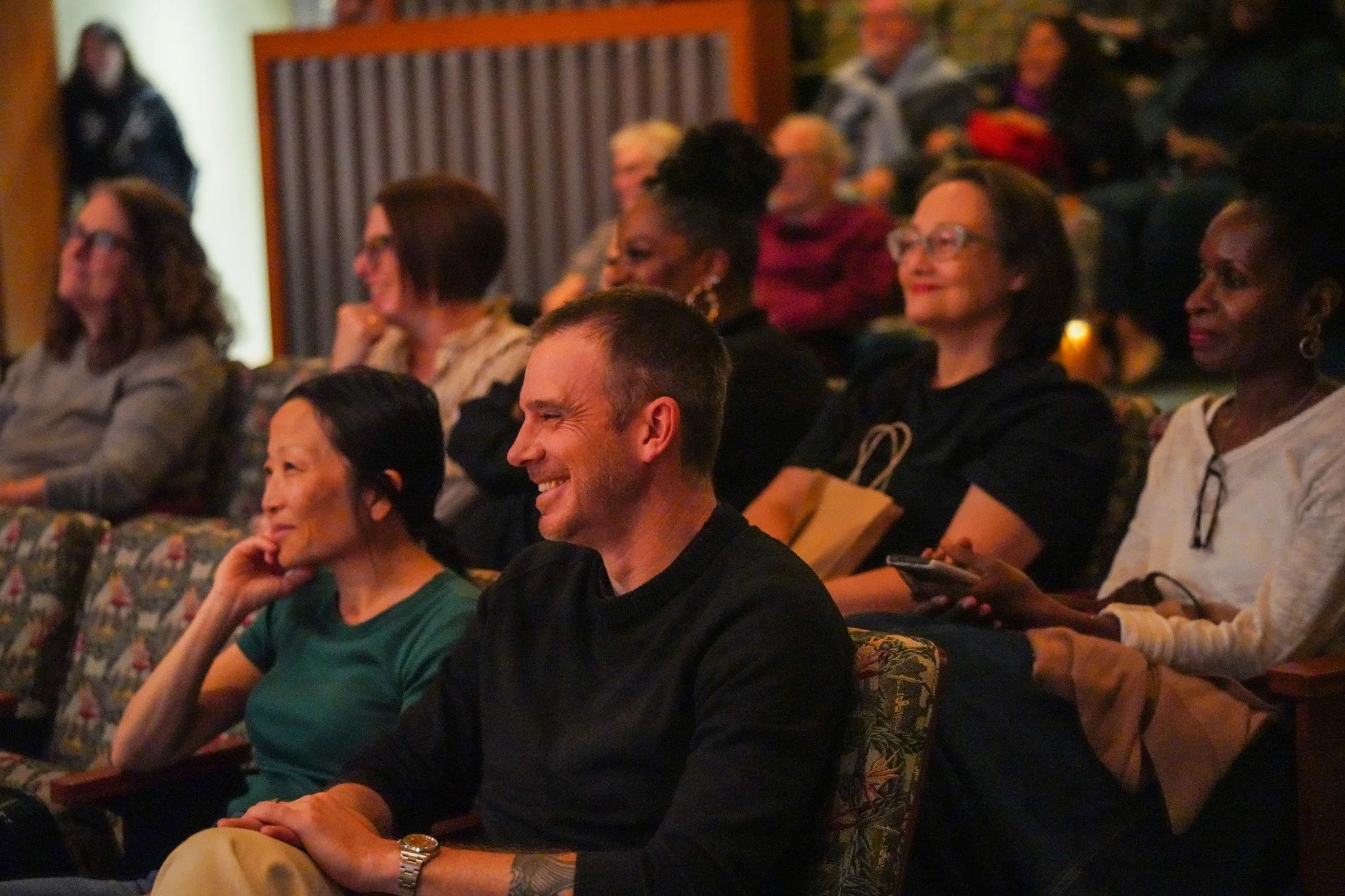
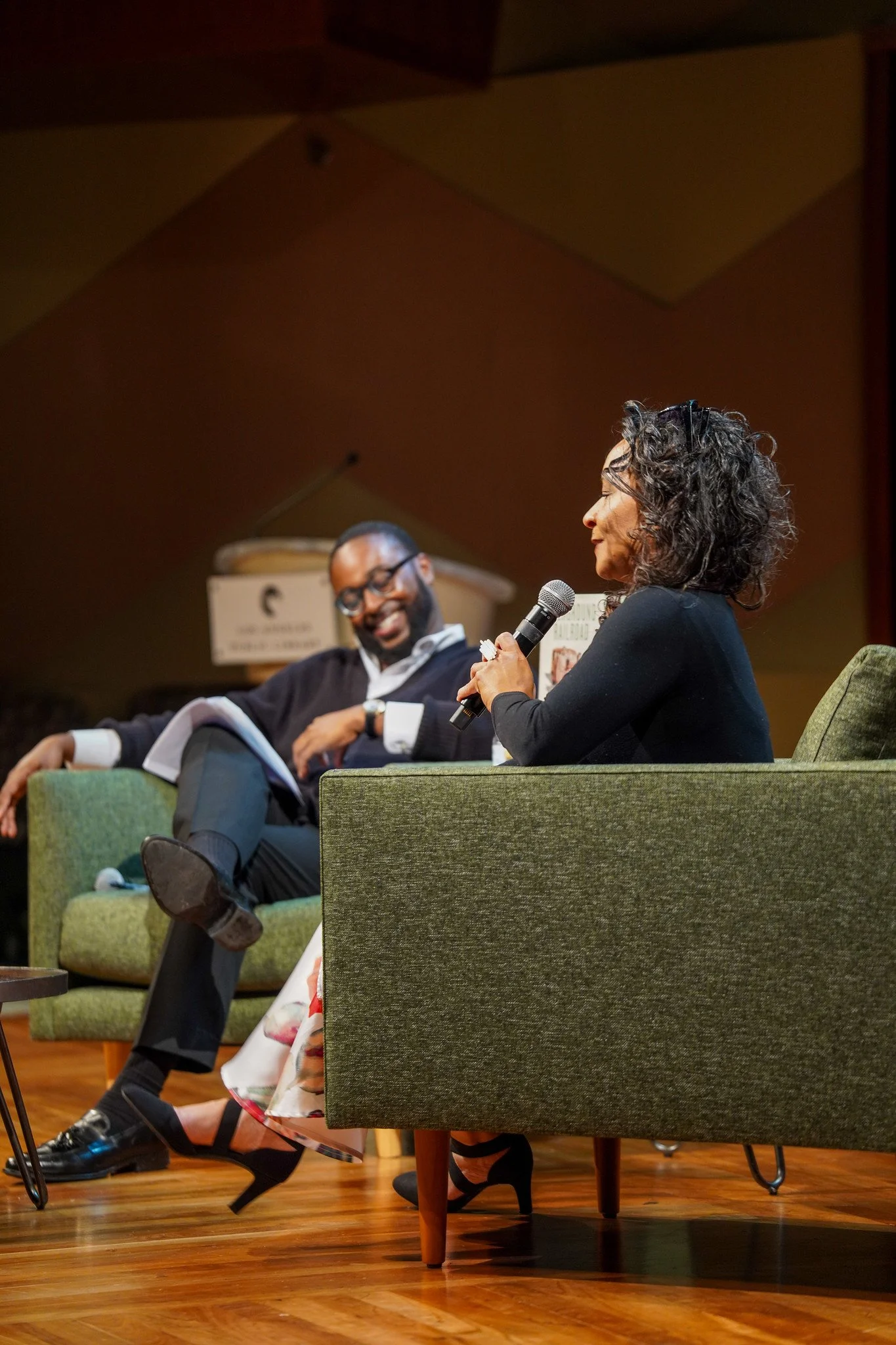
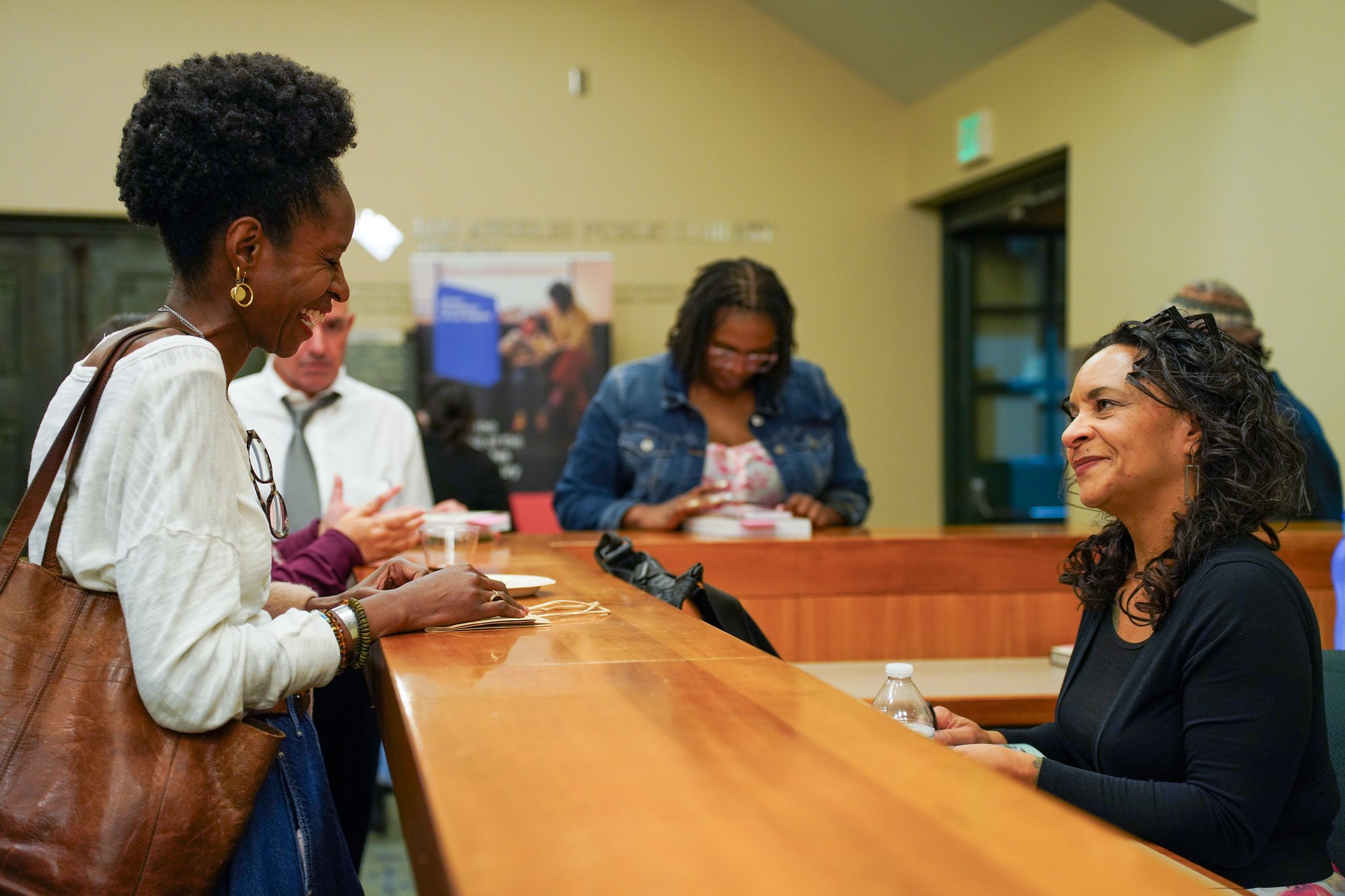
Later that week, as part of the Library’s Centennial ALOUD programming, Candacy Taylor and Tyree Boyd-Pates participated in a public discussion about the legacy of the Green Book and Black mobility in Los Angeles.
Throughout the conversation, Taylor linked the history of the Green Book to larger questions of movement, access, and belonging, prompting the audience to reflect on how these issues continue to influence contemporary life. The program also emphasized the significance of civic archives in preserving histories that are often overlooked in broader public narratives.
Cultural Strategy and the Civic Archive
The partnership between NOMMO, the Los Angeles Public Library, and the Library Foundation of Los Angeles highlights a growing interest in how civic institutions can engage audiences through archives, storytelling, and public programming, particularly focusing on African American art, history, and culture.
Libraries currently play a unique role in Los Angeles' cultural landscape. They not only preserve historical collections but also serve as public spaces that connect audiences across neighborhoods, generations, and communities.
Programs like the conversation with Candacy Taylor illustrate how archival materials can extend beyond mere preservation, becoming tools for public engagement and cultural reflection.
For NOMMO, this endeavor forms part of a broader initiative to view archives not just as static repositories but as dynamic cultural resources that can influence how communities understand history, memory, and civic life in the present.
As the Centennial programming continues, these Field Notes will document additional encounters, exhibitions, and conversations arising from this evolving partnership with the Los Angeles Public Library.
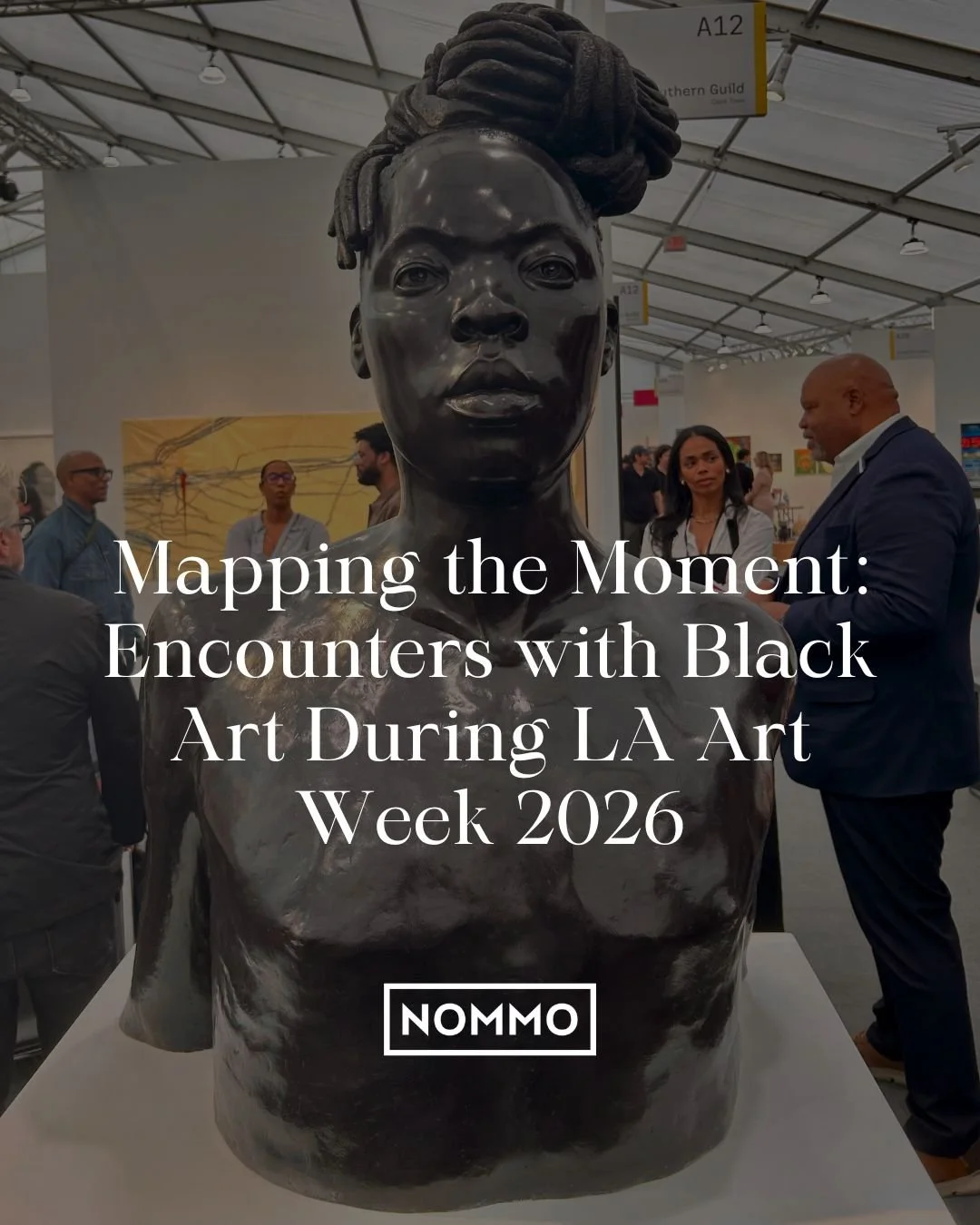
Mapping the Moment: Encounters with Black Art During LA Art Week 2026
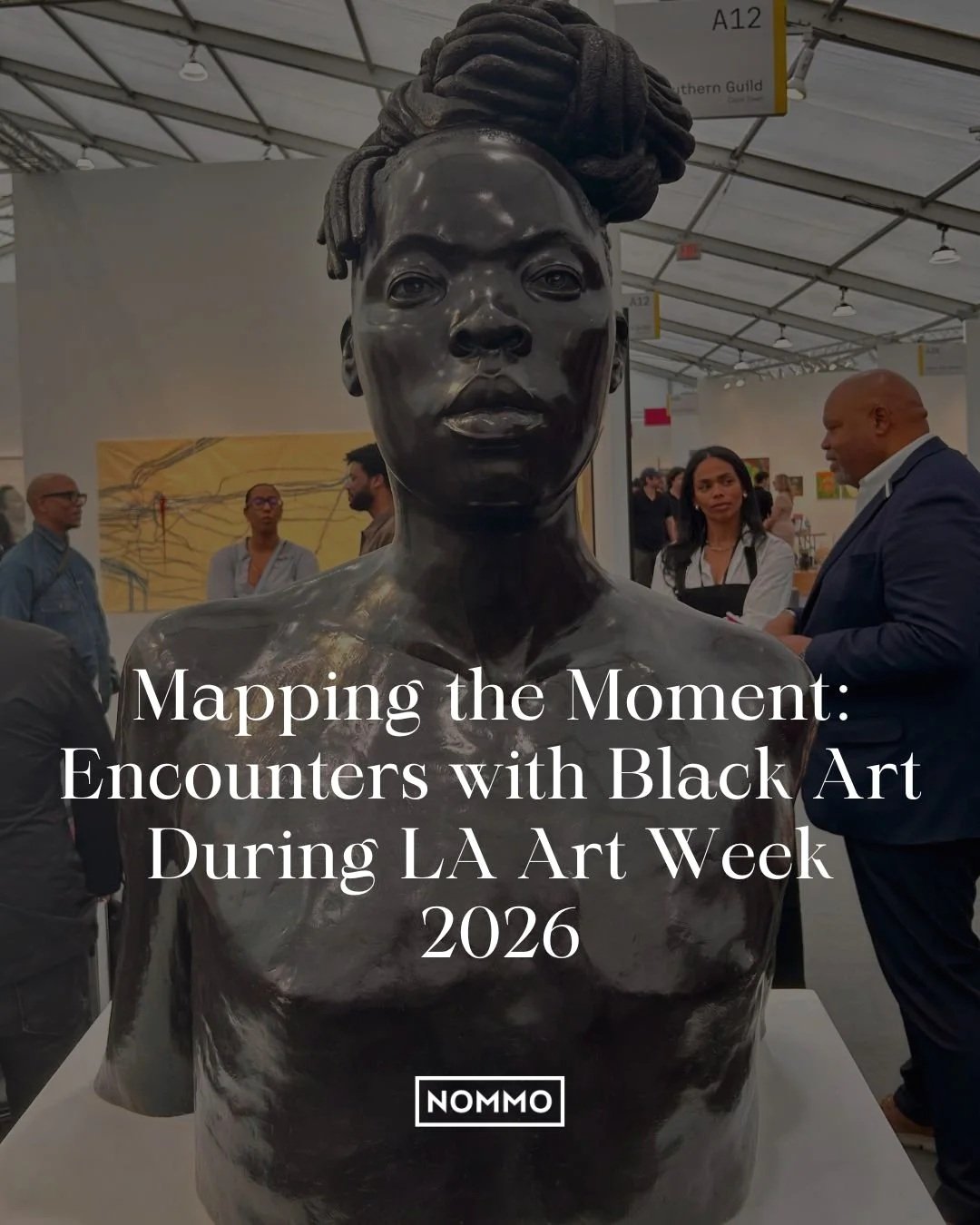
Frieze LA 2026.
LA Art Week is often defined by major fairs like Frieze and Felix, as well as numerous satellite exhibitions that position Los Angeles as a global center for contemporary art. This year, we observed that Black artistic presence was not confined to a single venue or event. Instead, it appeared across fairs, galleries, and cultural spaces, highlighting a broader artistic ecosystem throughout the city.
Over several days, NOMMO Cultural Strategies engaged with artists, curators, collectors, and institutions, shaping this evolving landscape. These Field Notes are not a comprehensive guide to every fair or event during LA Art Week. Instead, they highlight select moments that offer insight into how Black art shapes Los Angeles's cultural geography.
The Global Stage: Frieze Los Angeles ‘26
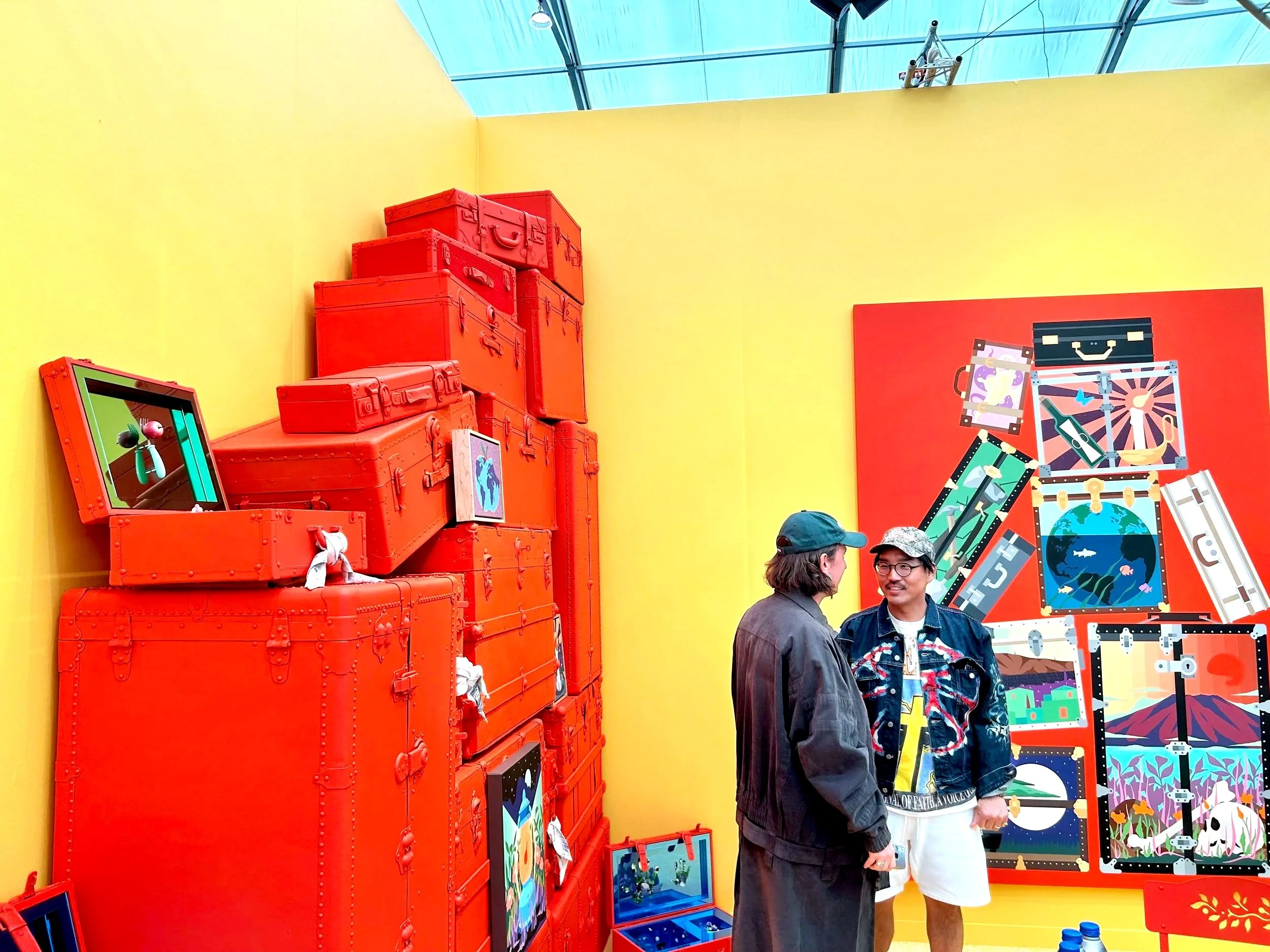
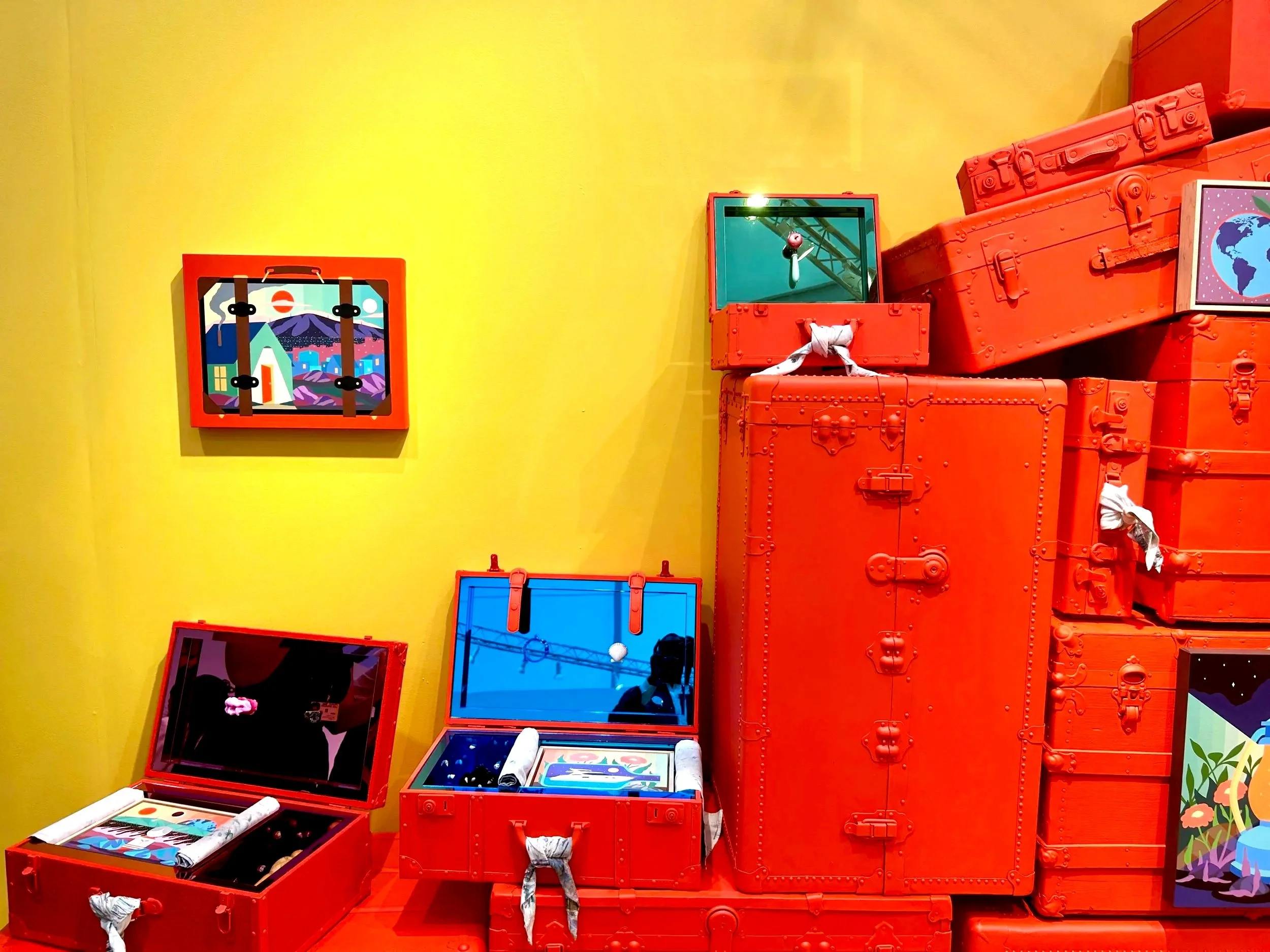
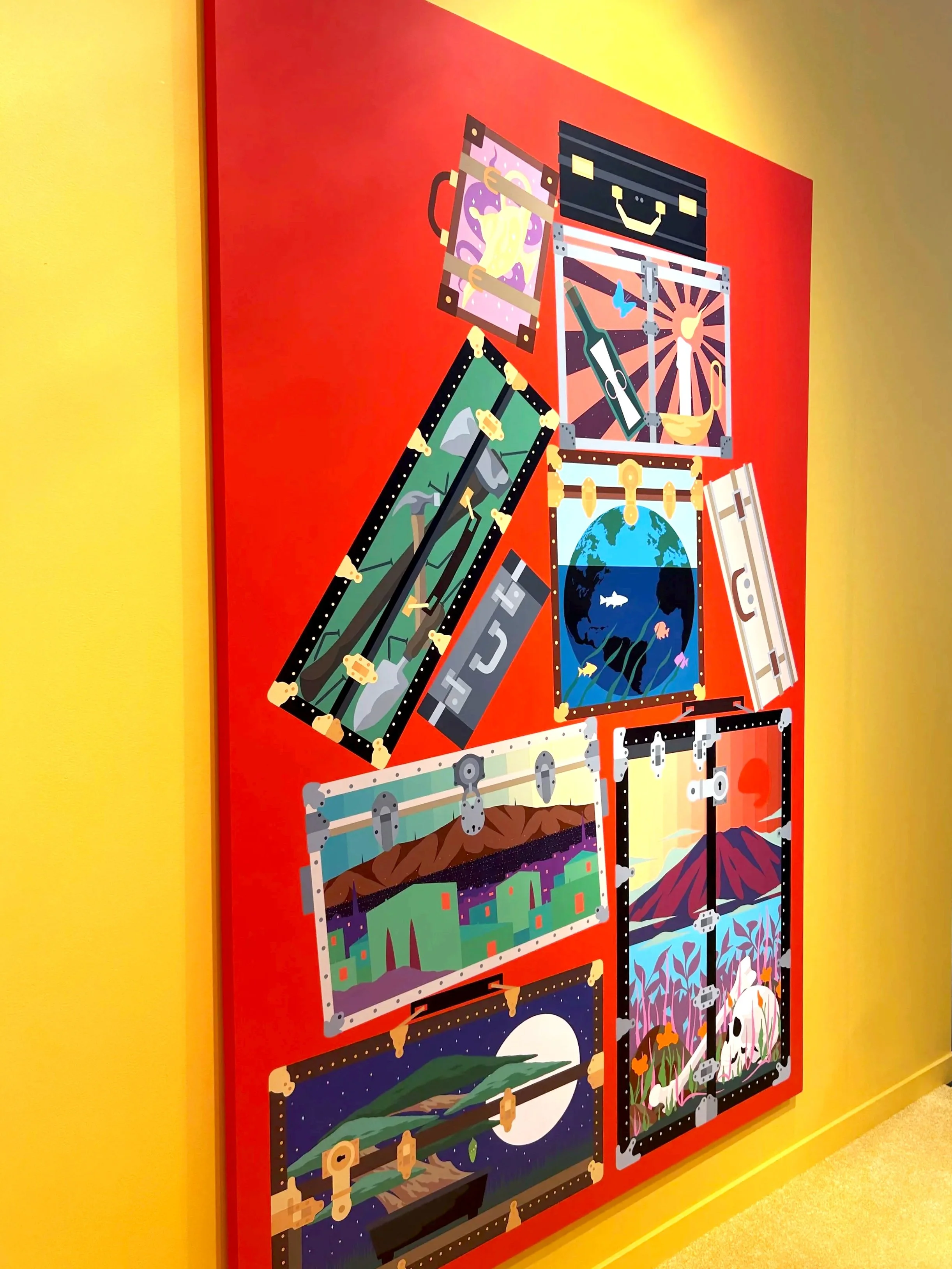
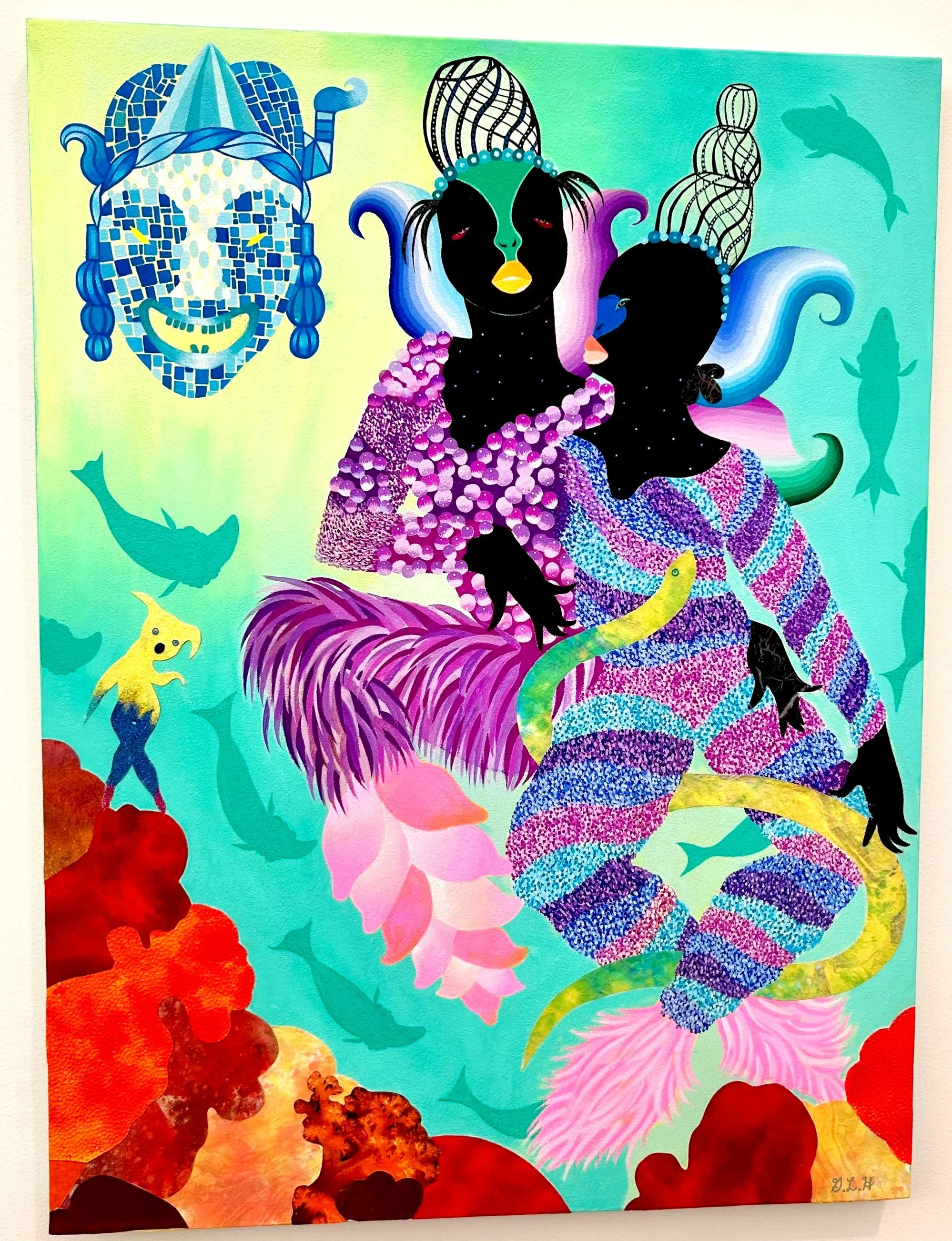
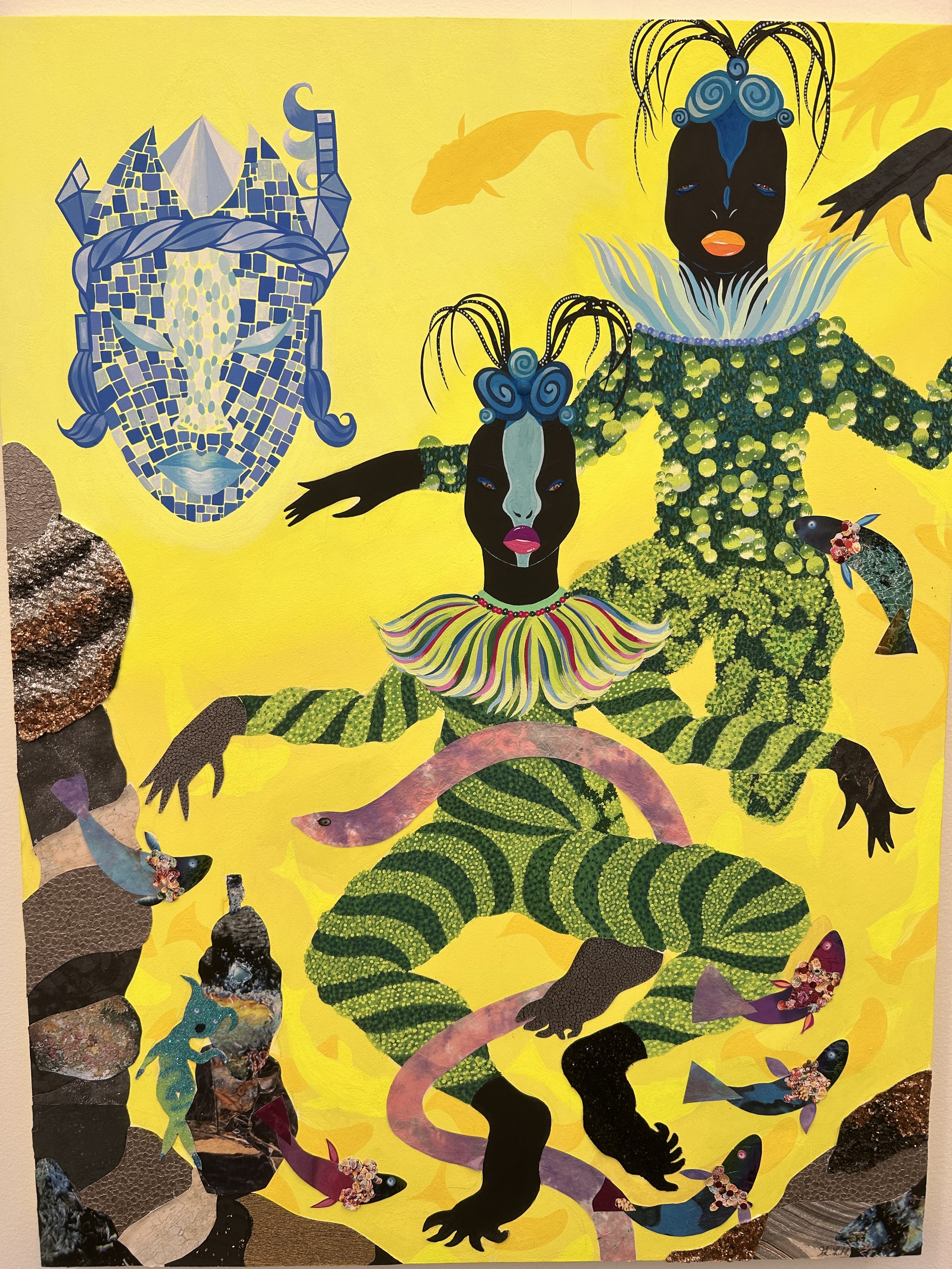
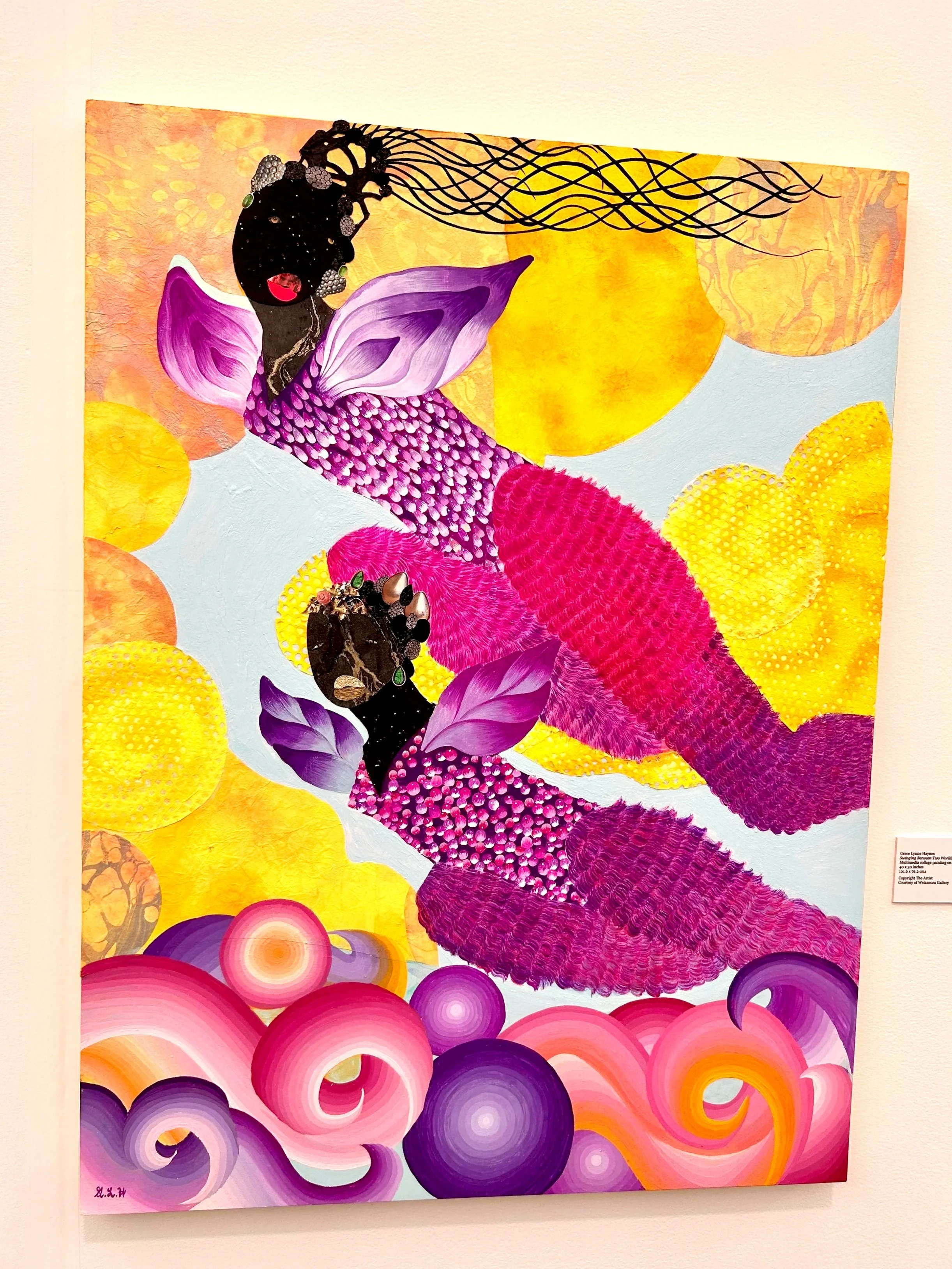
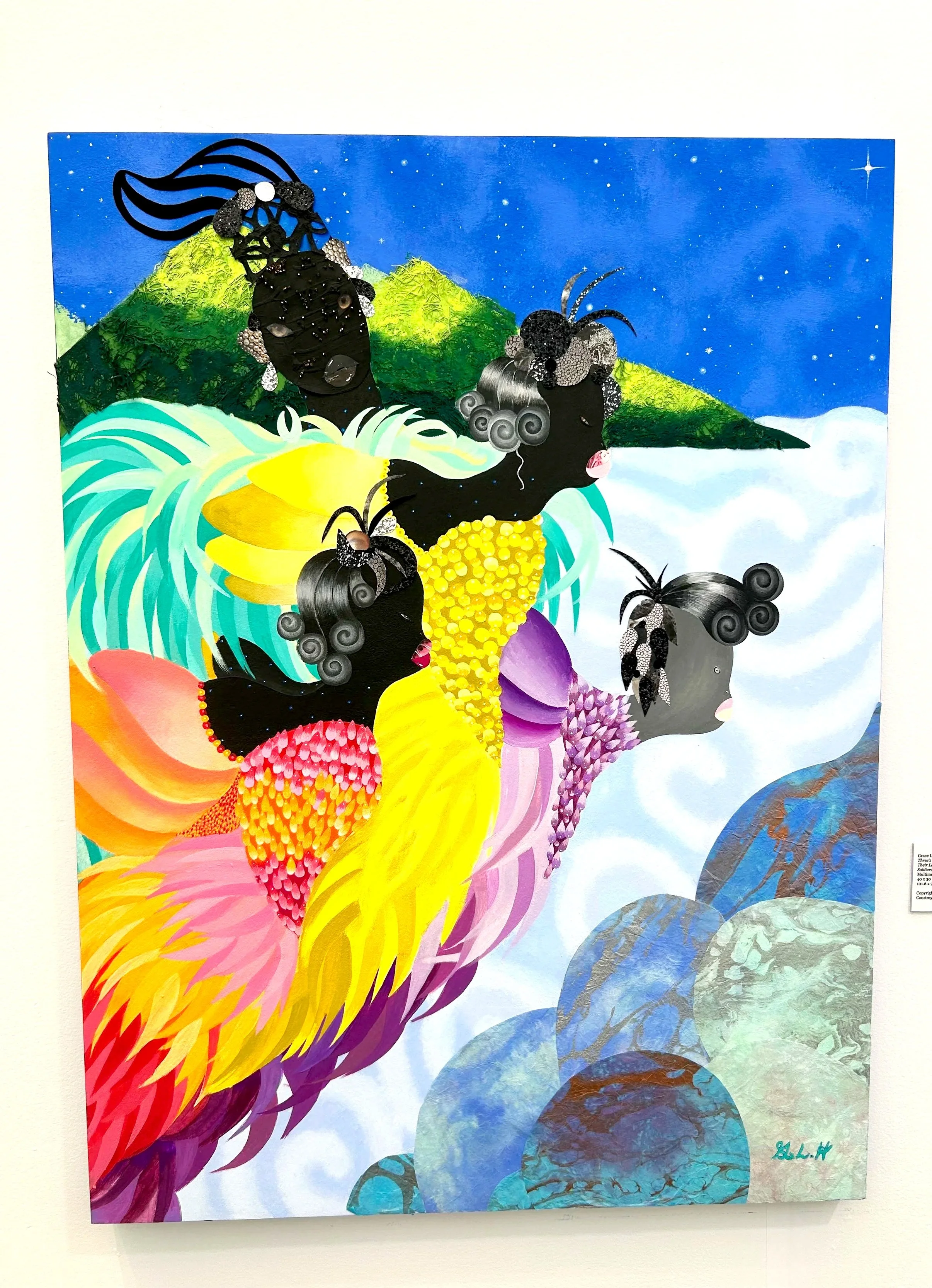
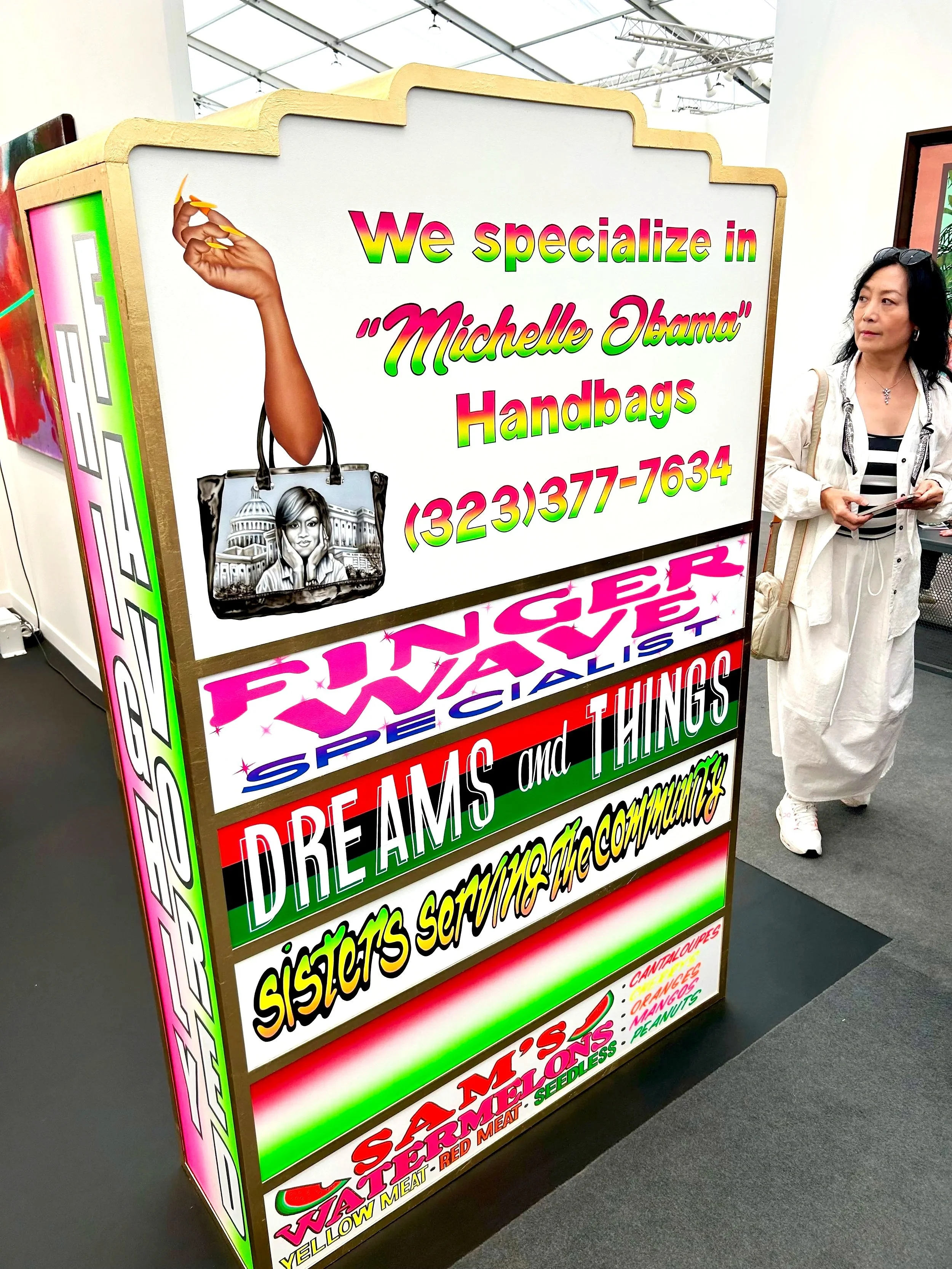
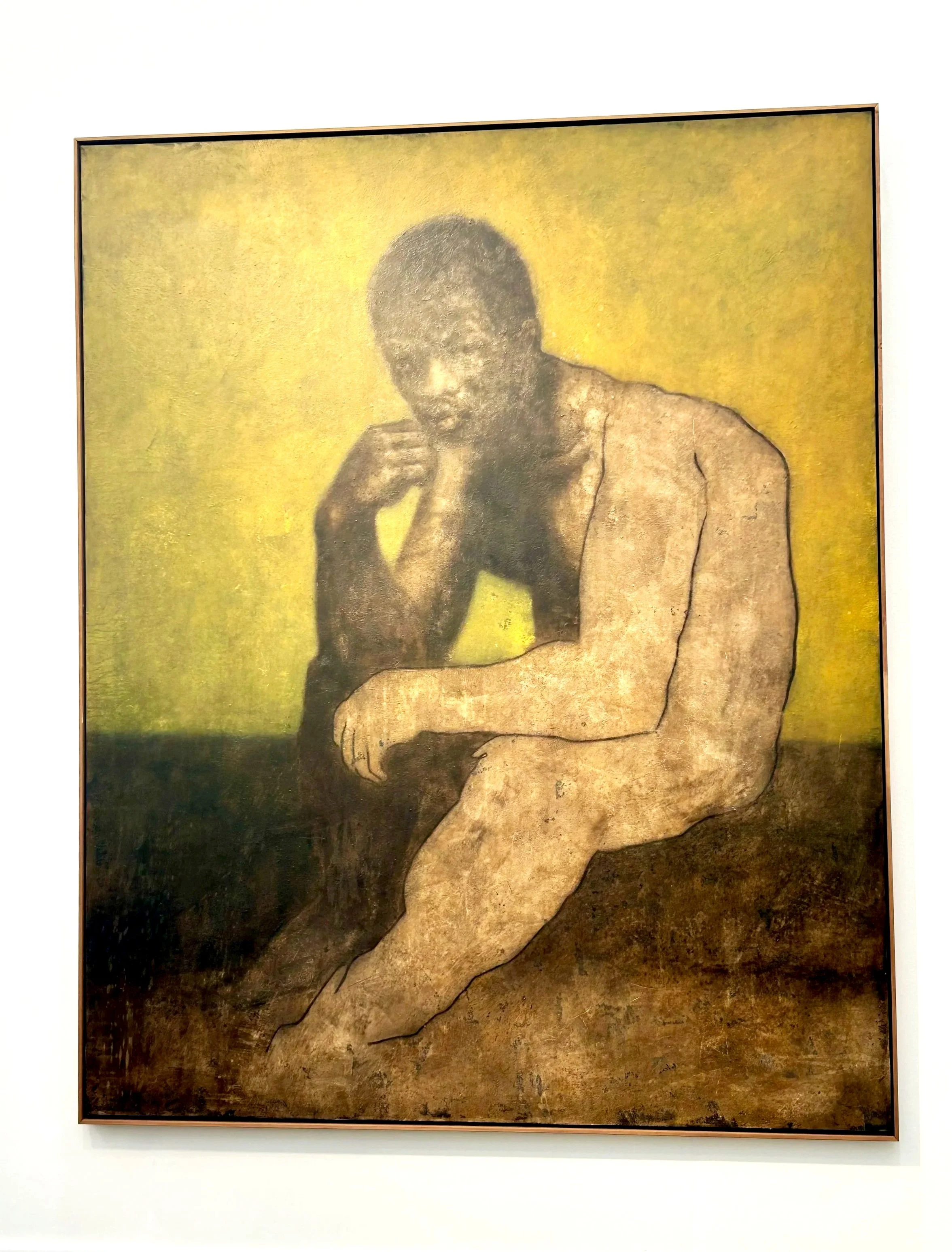
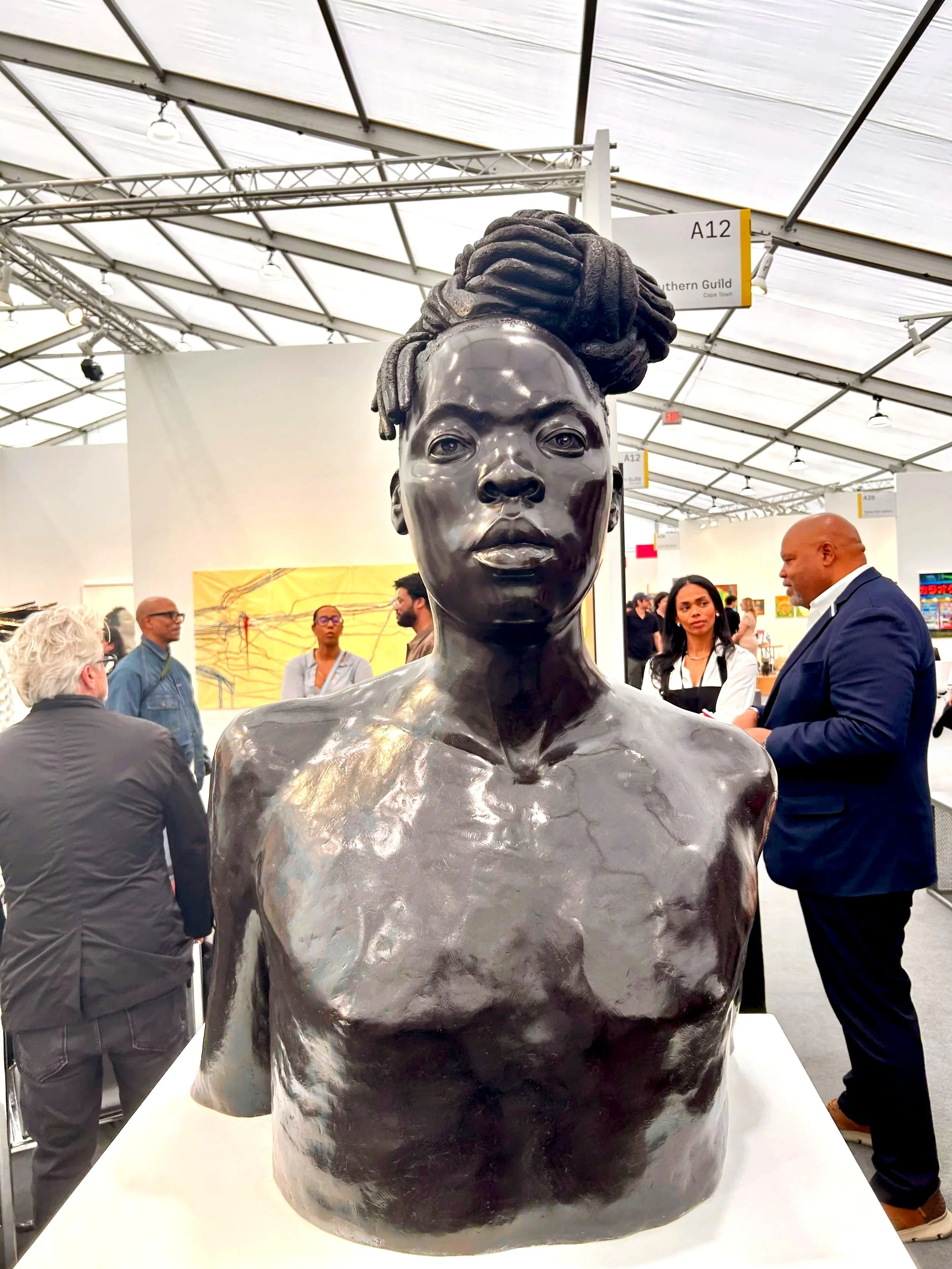
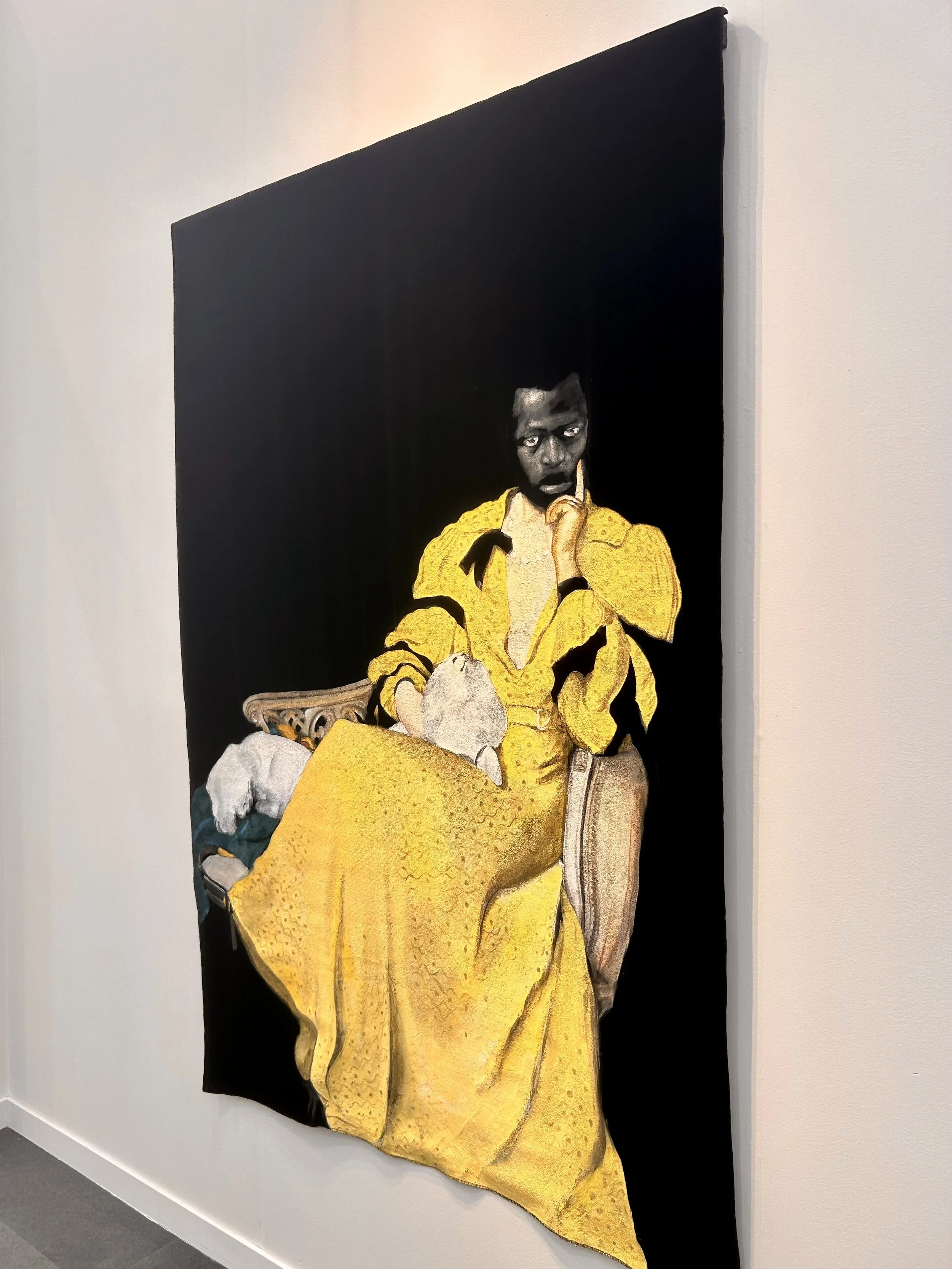
A key highlight of LA Art Week is Frieze Los Angeles, where collectors, curators, artists, and institutions from around the world gather at the Santa Monica Airport to engage with contemporary art on an international scale.
Several presentations stood out at the fair for their curatorial clarity and artistic impact.
Superposition Gallery, led by Storm Ascher and curated by Essence Harden, presented a vibrant selection that balanced visual energy with curatorial intent. Greg Ito’s paintings, central to the booth, explored identity, cultural memory, and diasporic belonging through abstraction and symbolism. Harden’s approach allowed the work to resonate, creating a booth that was both visually striking and conceptually grounded.
Welancora Gallery featured works by Grace Lynne Haynes, whose practice explores abstraction, embodiment, and the emotional architecture of the human figure. The booth offered a contemplative atmosphere, providing a moment of reflection amid the fair’s visual intensity.
Southern Guild’s presentation was also significant, bringing together artists from the African diaspora. Cinga Samson’s paintings, in particular, created a powerful moment. His atmospheric compositions invite viewers into quiet psychological landscapes that linger beyond the initial encounter.
Together, these presentations showed how artists connected to the African diaspora continue to shape discourse in the global art market. However, Black artistic presence during LA Art Week extended beyond the fair.
The Collector’s Archive: The Eileen Harris Norton Collection at Hauser & Wirth
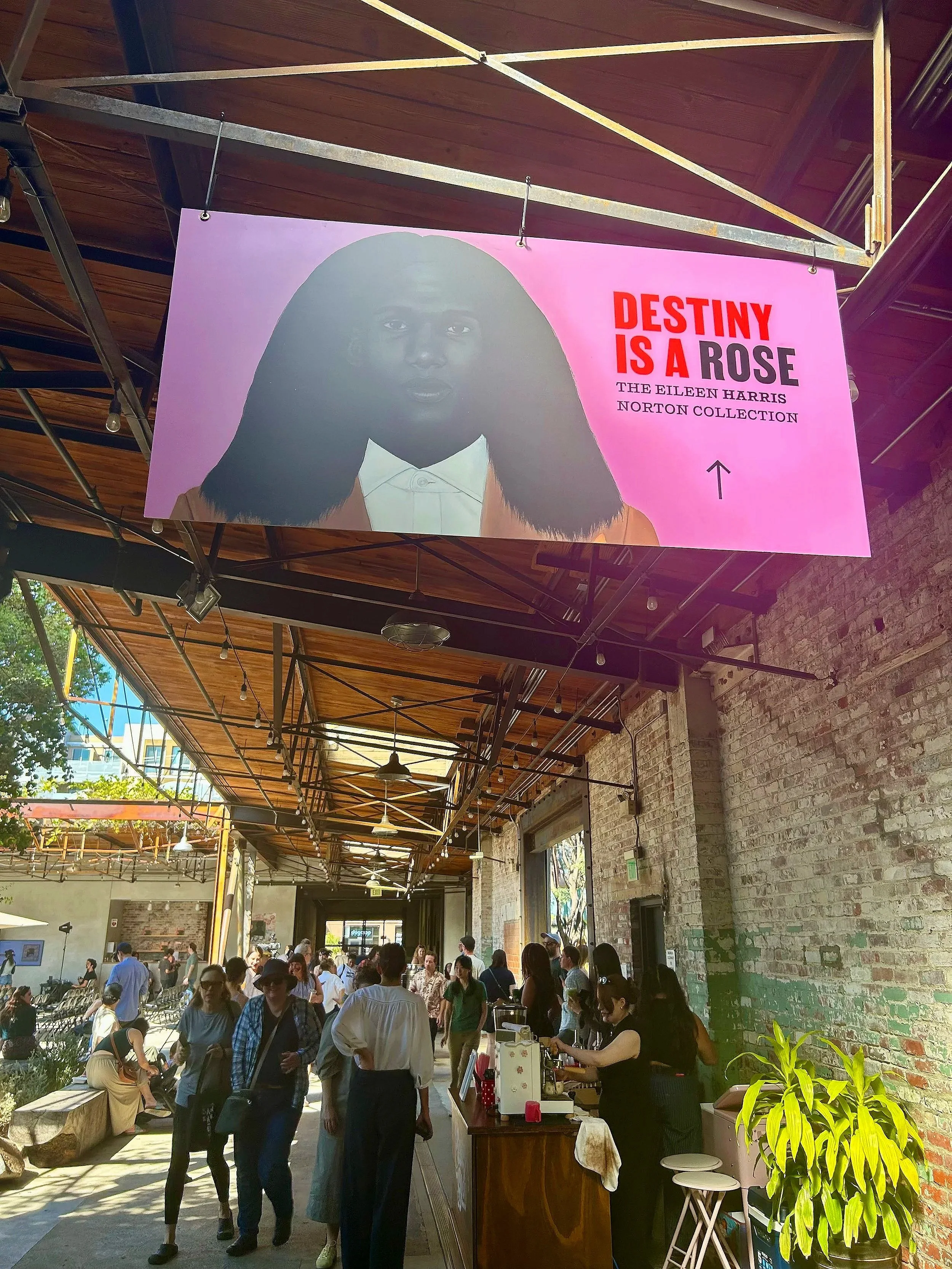
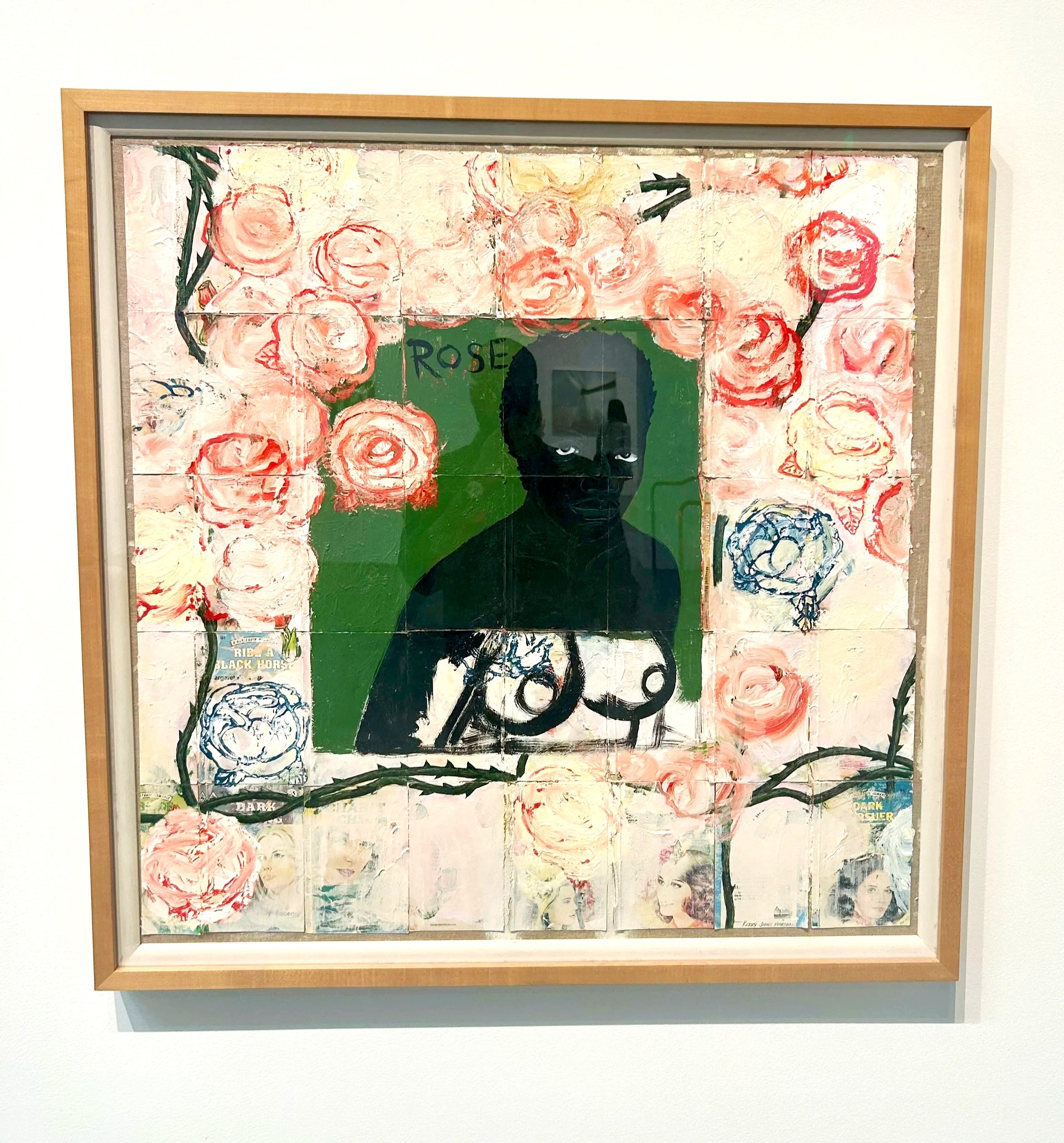
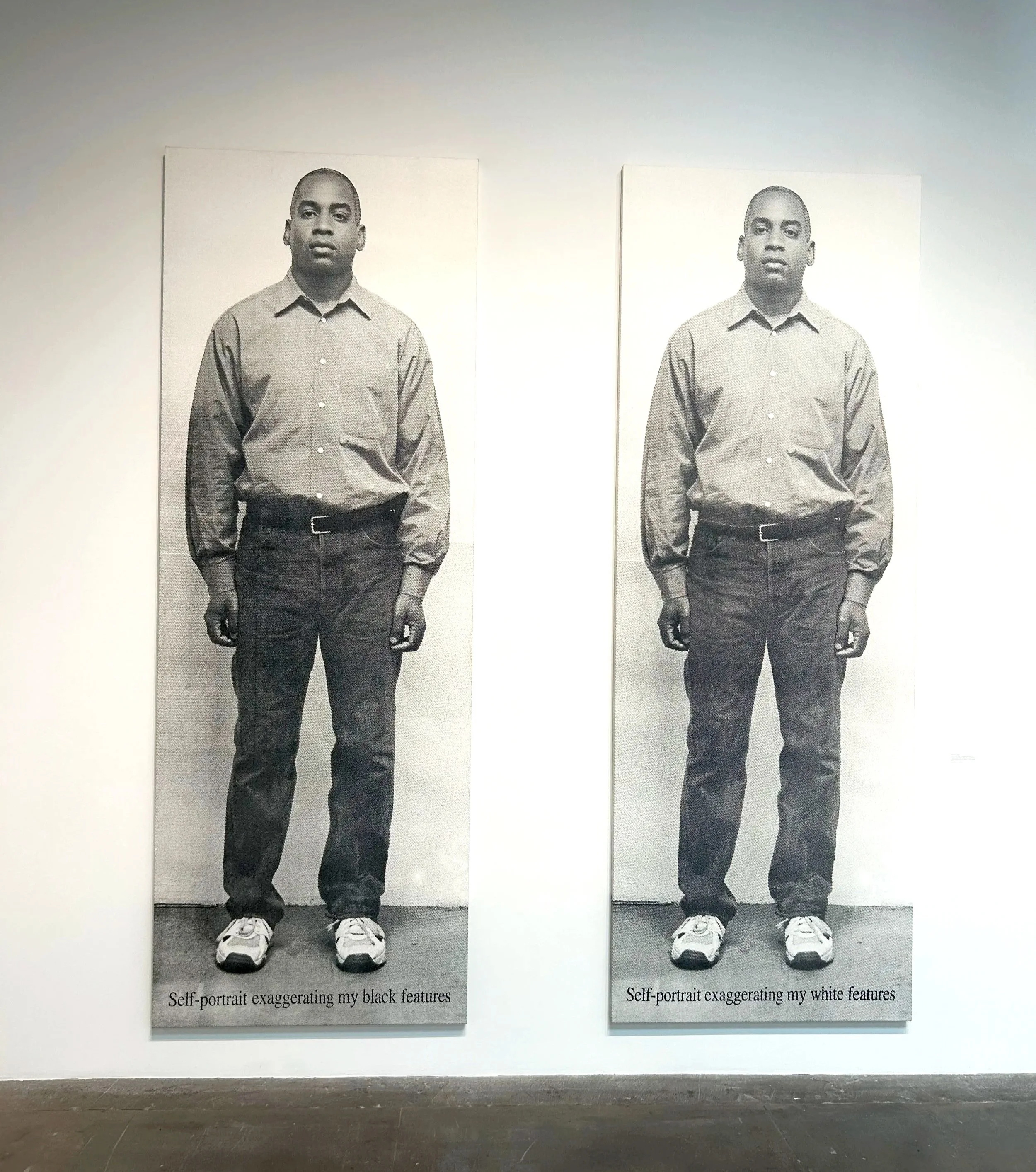
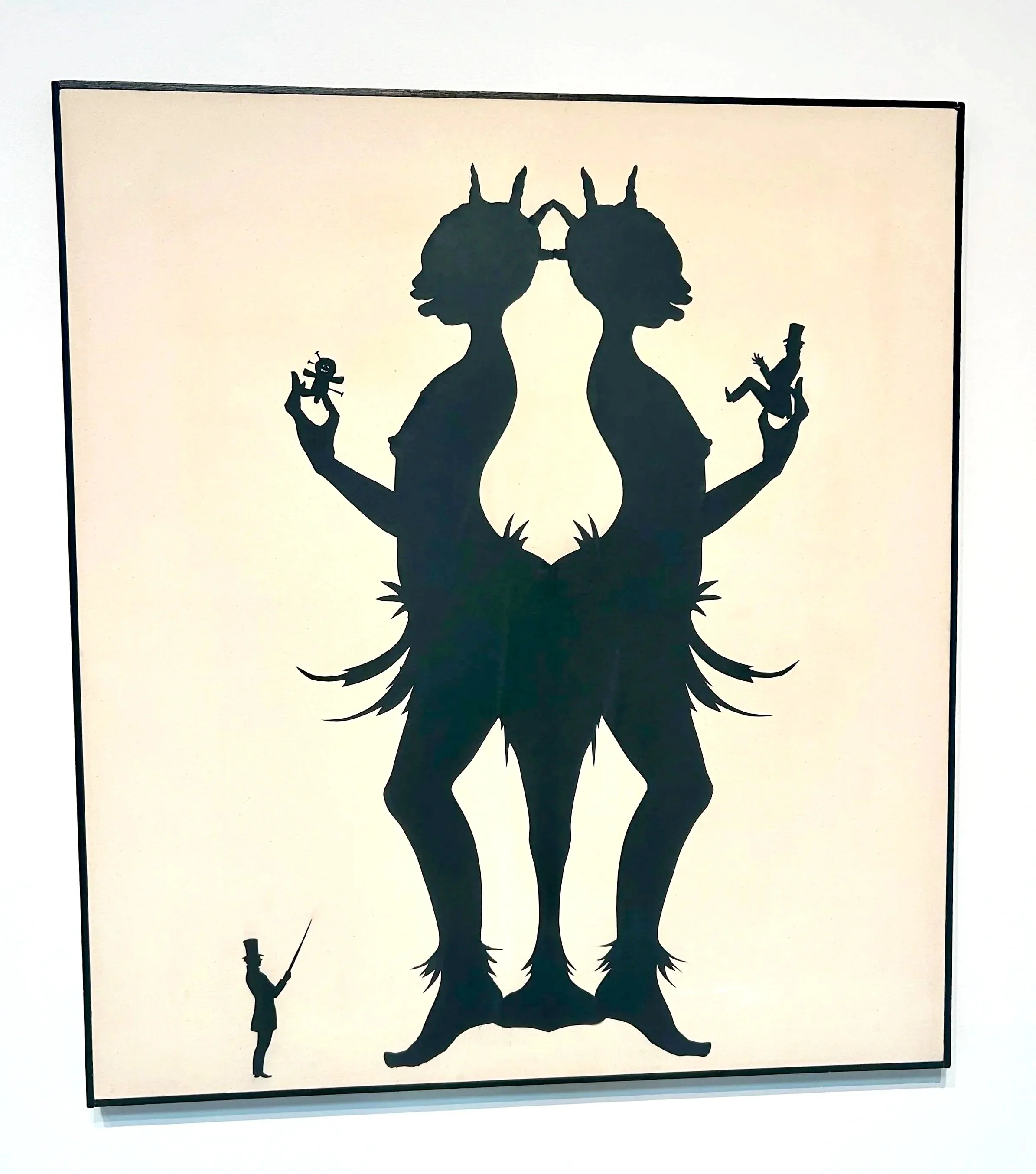
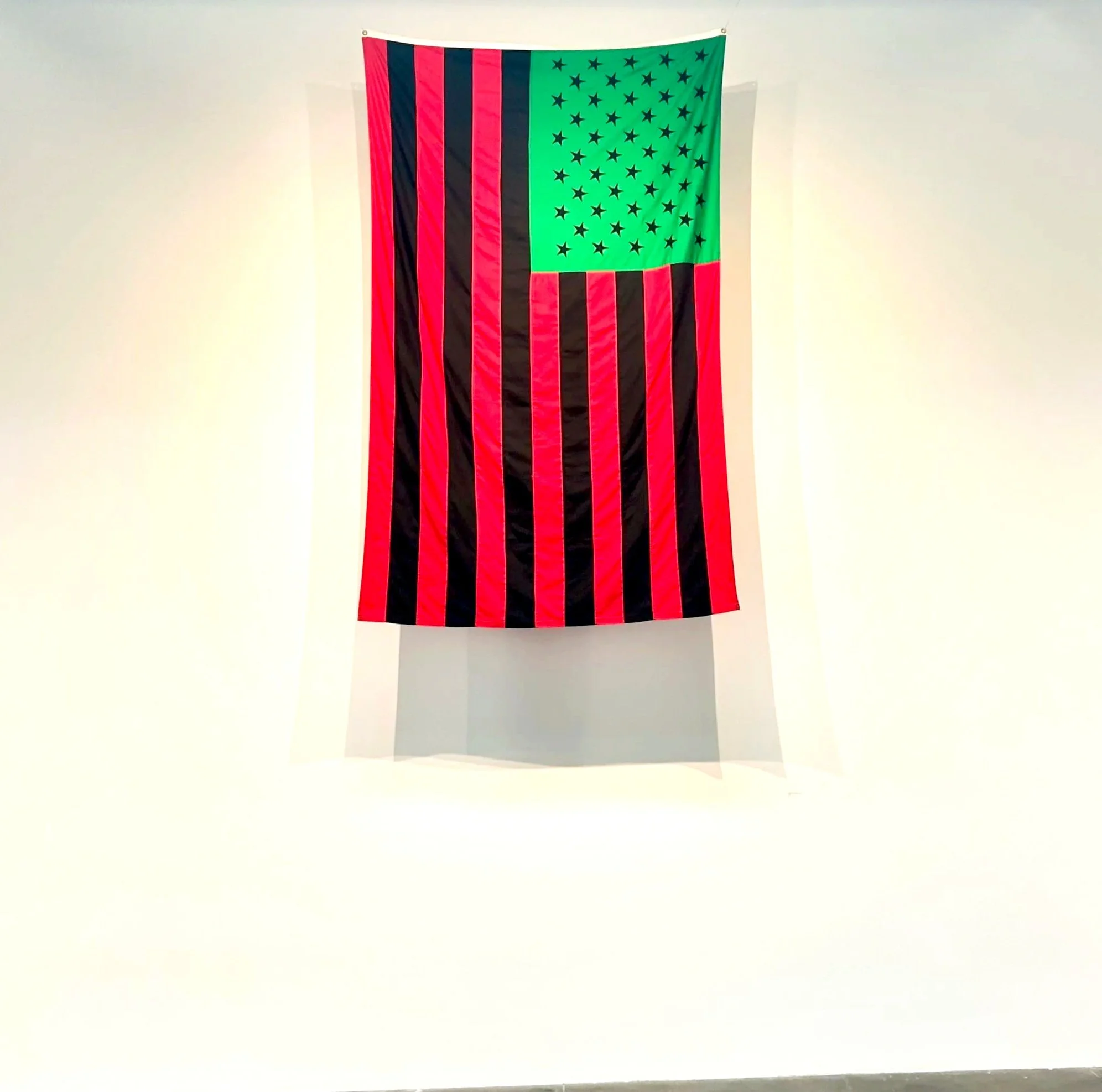
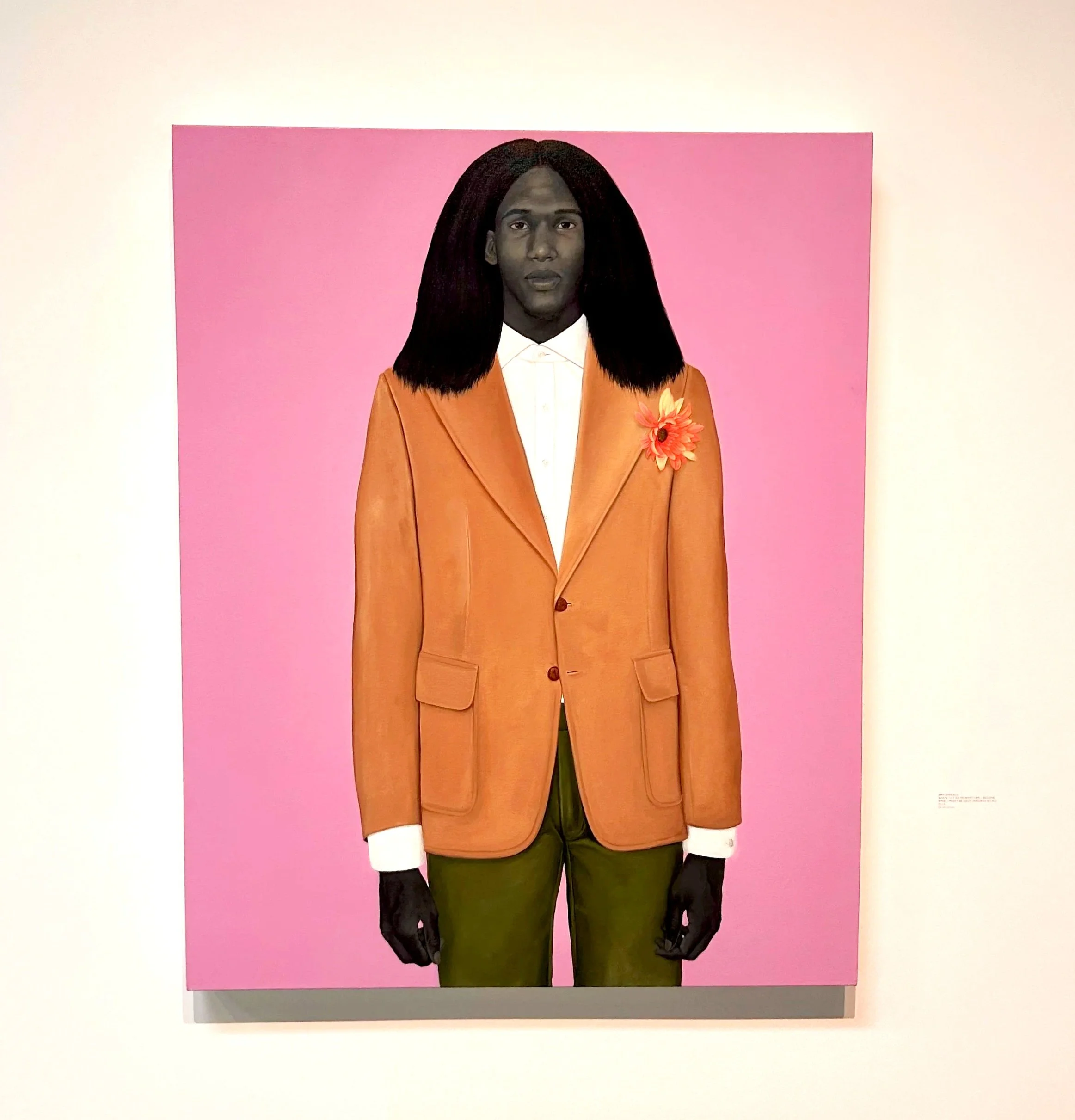
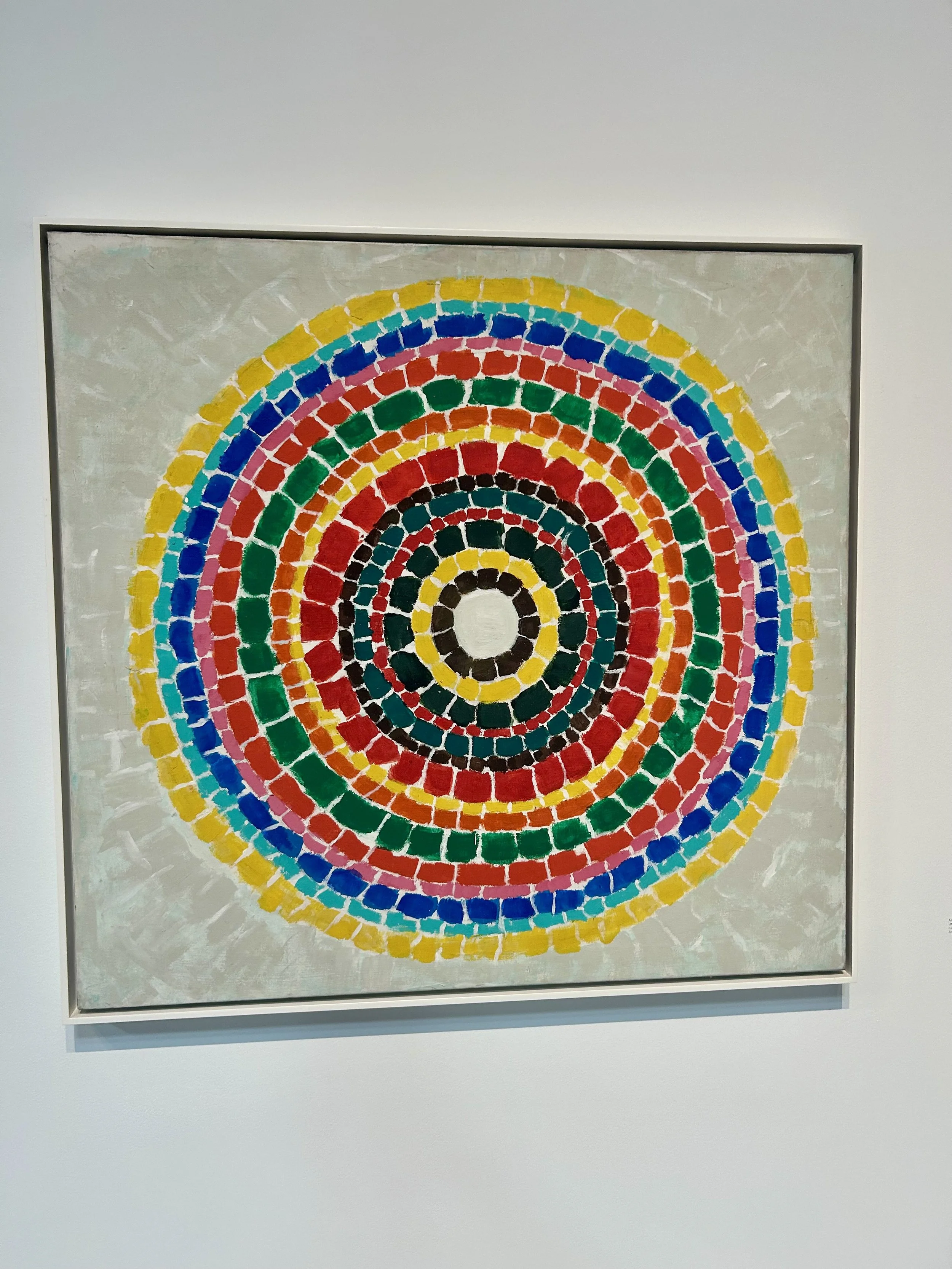
Gallery exhibitions across Los Angeles also offered insight into how Black artists shape contemporary art discourse.
At Hauser & Wirth, the gallery presented selections from Desitiny is a Rose: Eileen Harris Norton Collection within the exhibition, offering a particularly impactful encounter.
The exhibition brought together over 100 works spanning several decades, including pieces by Mark Bradford, David Hammons, Alma Thomas, Hank Willis Thomas, Amy Sherald, and many others who have shaped contemporary art.
The exhibition underscored the important role collectors play in shaping artistic legacies. Norton’s collection reflects both an expansive vision and a sustained commitment to supporting artists who challenge and expand the boundaries of contemporary art.
Viewed alongside the presentations at Frieze, the exhibition highlighted another aspect of the cultural ecosystem: the collector’s archive. While fairs offer a snapshot of the contemporary market, collections like Norton’s reveal the long-term relationships that sustain artists and preserve their work for future generations.
A New Platform: The Inaugural BUTTER Art Fair in Inglewood
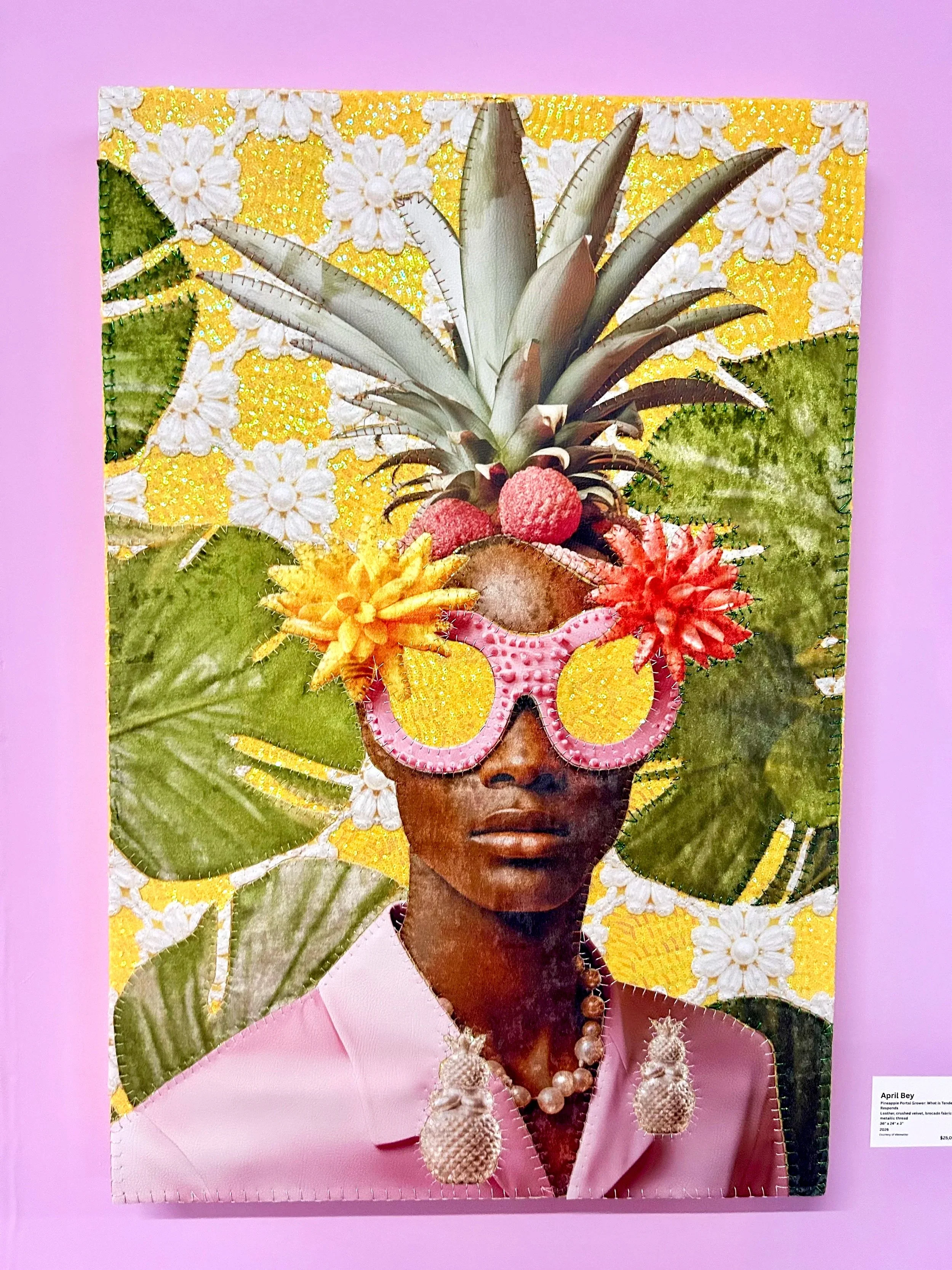
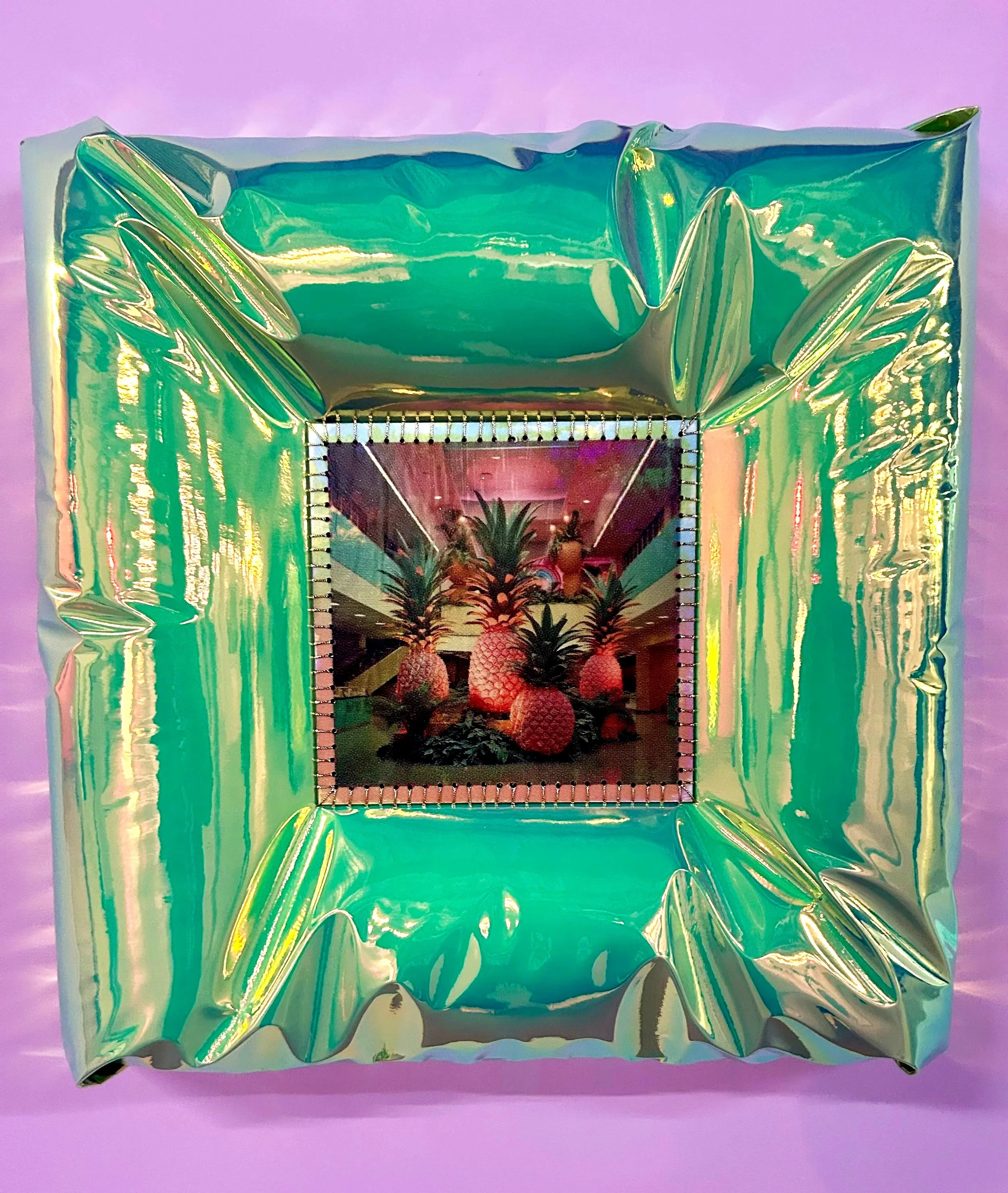
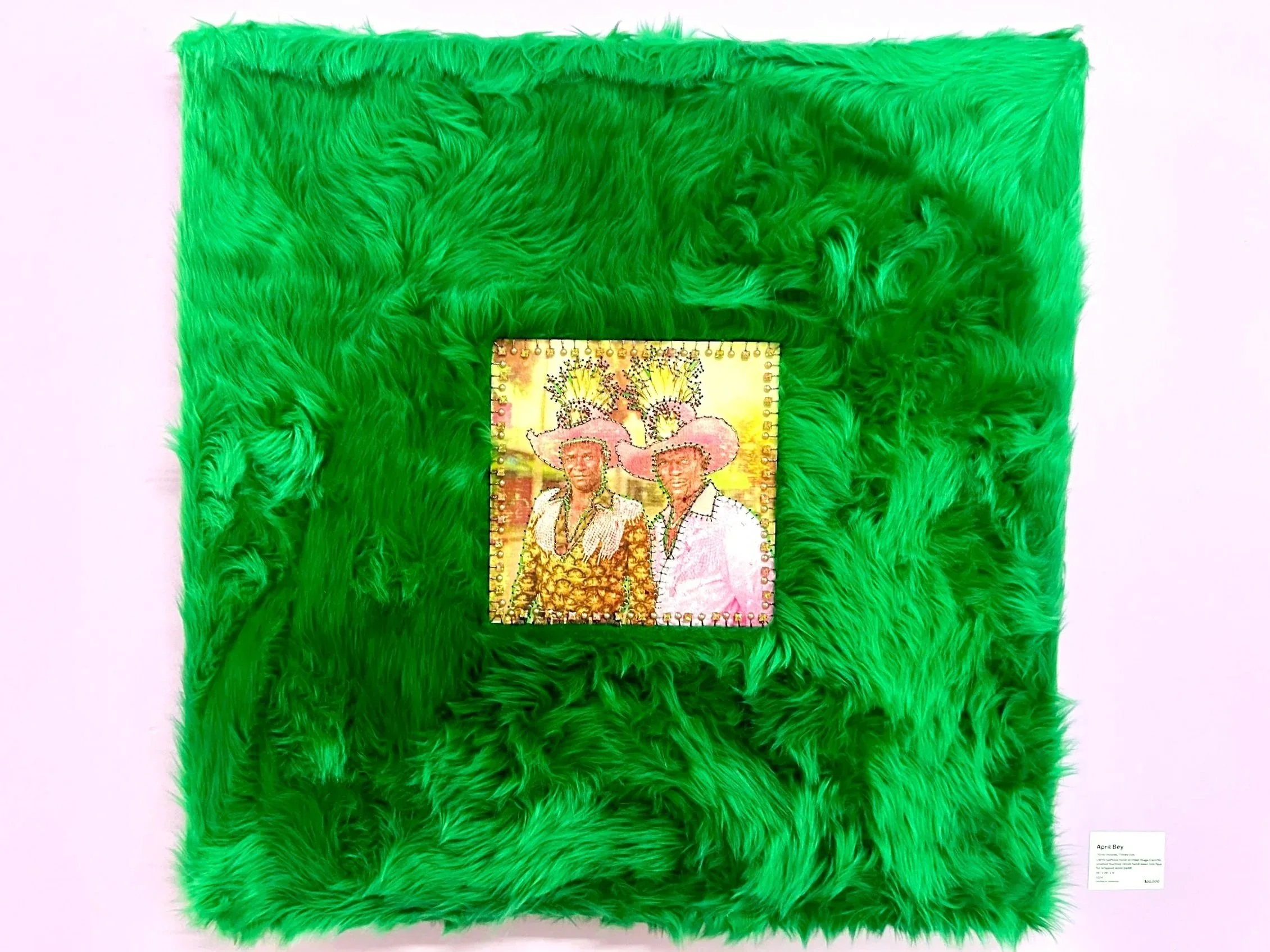
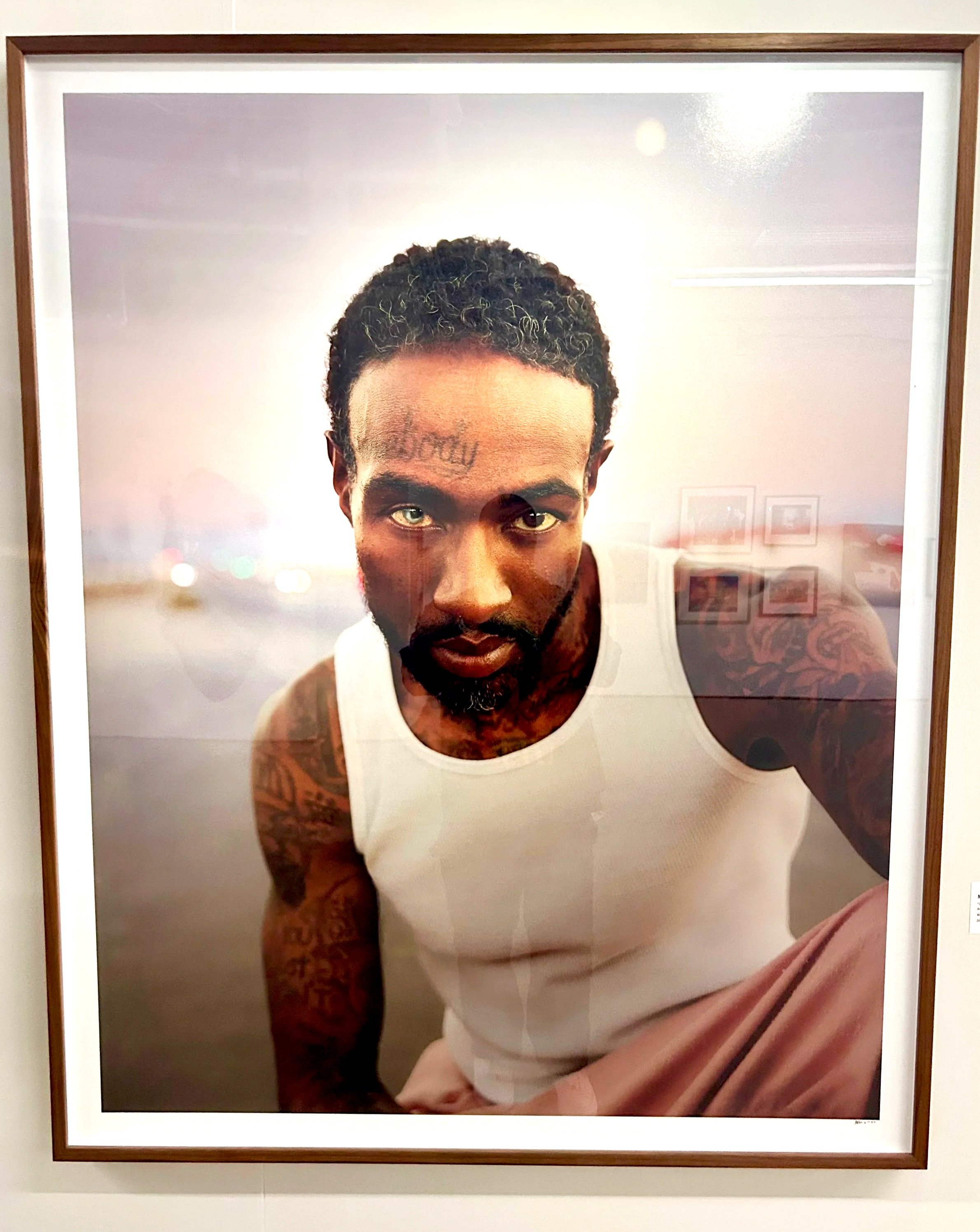
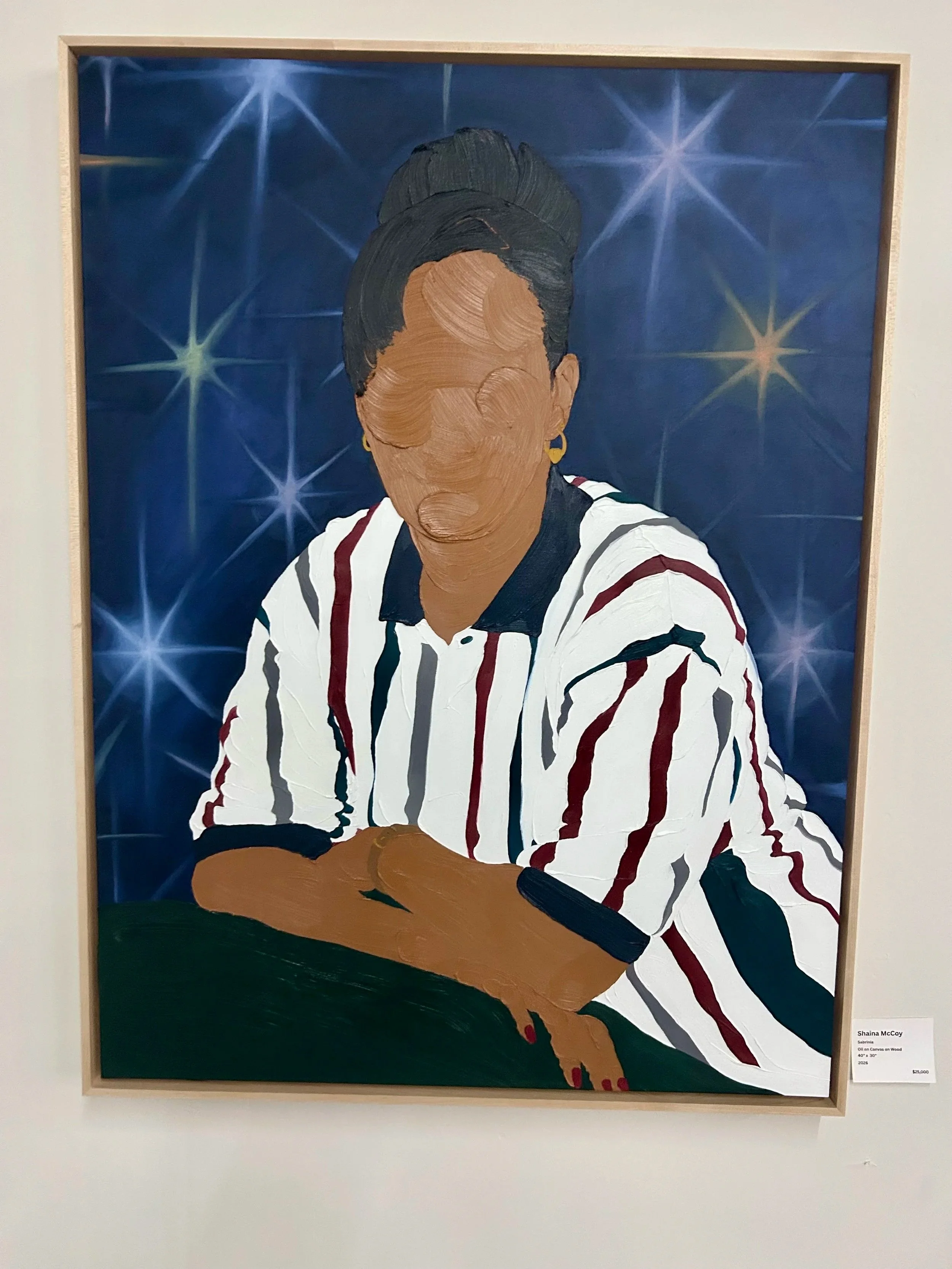
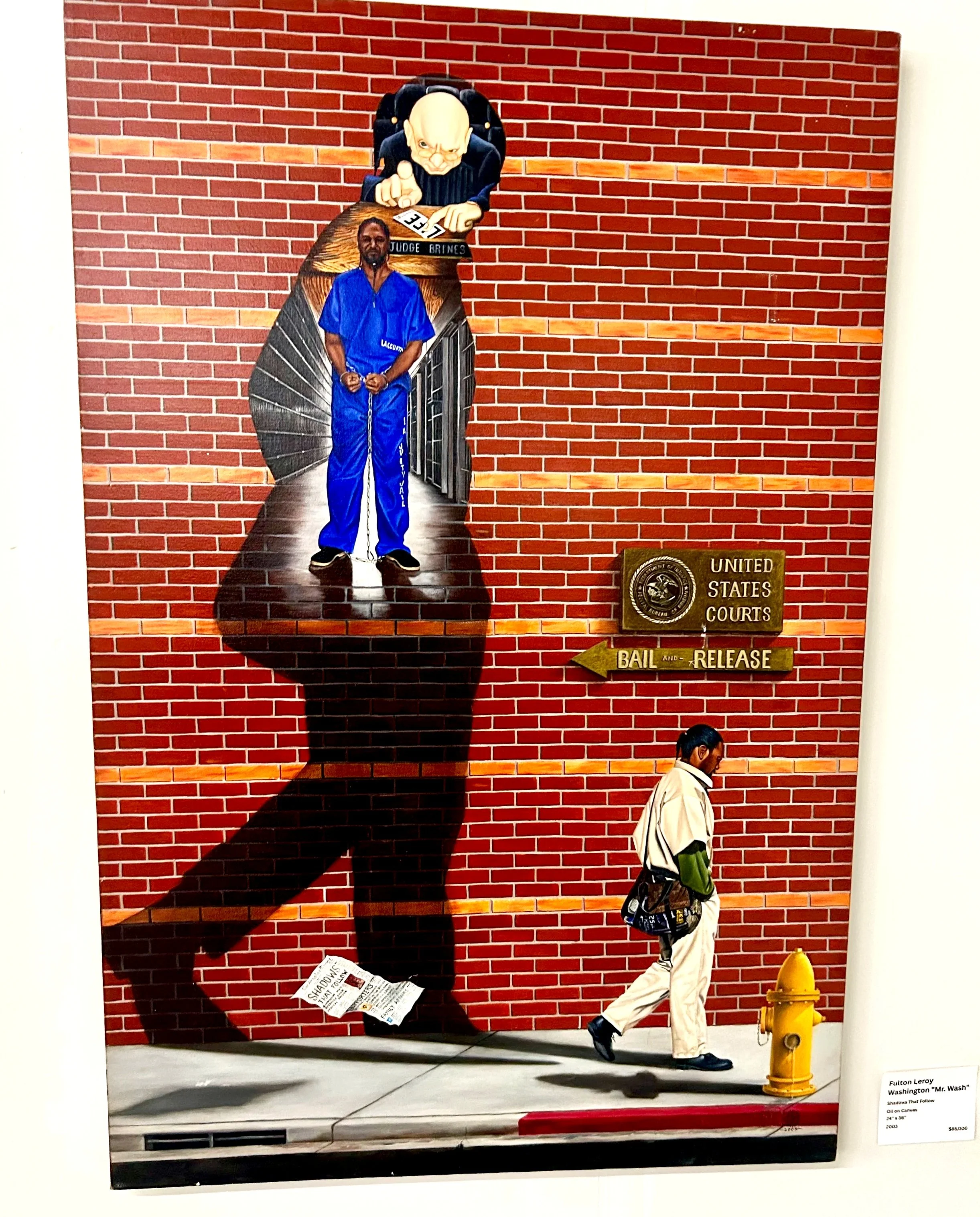
While Frieze represented the global art market and Hauser & Wirth reflected the influence of collectors, the debut of the BUTTER Art Fair underscored the importance of community-centered platforms within Los Angeles’ art ecosystem.
Held in Inglewood, the inaugural fair brought together artists, curators, collectors, and audiences to celebrate and expand access to contemporary Black art. With involvement from figures such as Kimberly Drew, the fair created a space where both emerging and established artists could present their work directly to audiences within a vibrant communal setting.
Black artists including April Bey, Shaina McCoy, and Fulton Leroy Washington presented works that encouraged both seasoned collectors and new audiences to engage with collecting Black art. DJs filled the space with music as visitors moved between booths, while conversations unfolded throughout the fair floor.
BUTTER stood out for its emphasis on accessibility, creating opportunities for new collectors to engage with contemporary art in a welcoming and dynamic environment.
As its inaugural edition, the fair offered a promising glimpse of what could become an important cultural platform within Los Angeles’ evolving art landscape.
Black Art Across the City: A Cultural Constellation
Together, these encounters revealed a broader perspective on LA Art Week.
Black art was not limited to a single location. Instead, it appeared across a constellation of spaces throughout the city, including international art fairs, gallery exhibitions, and community-driven platforms.
Each space revealed a distinct aspect of the cultural ecosystem: the global art market, the collector’s archive, and the community platform.
Together, they illustrated a city where Black artists, curators, collectors, and audiences continue to expand how contemporary art is presented, experienced, and collected.
For NOMMO Cultural Strategies, these Field Notes reflect a dynamic Los Angeles, where artistic possibility continues to emerge across multiple cultural landscapes.
If this year’s Art Week is any indication, the story of Black art in Los Angeles is still unfolding.