

The Futures We Gather Around: Reflections from Parable of the Trickster: An Octavia E. Butler Celebration at LAPL
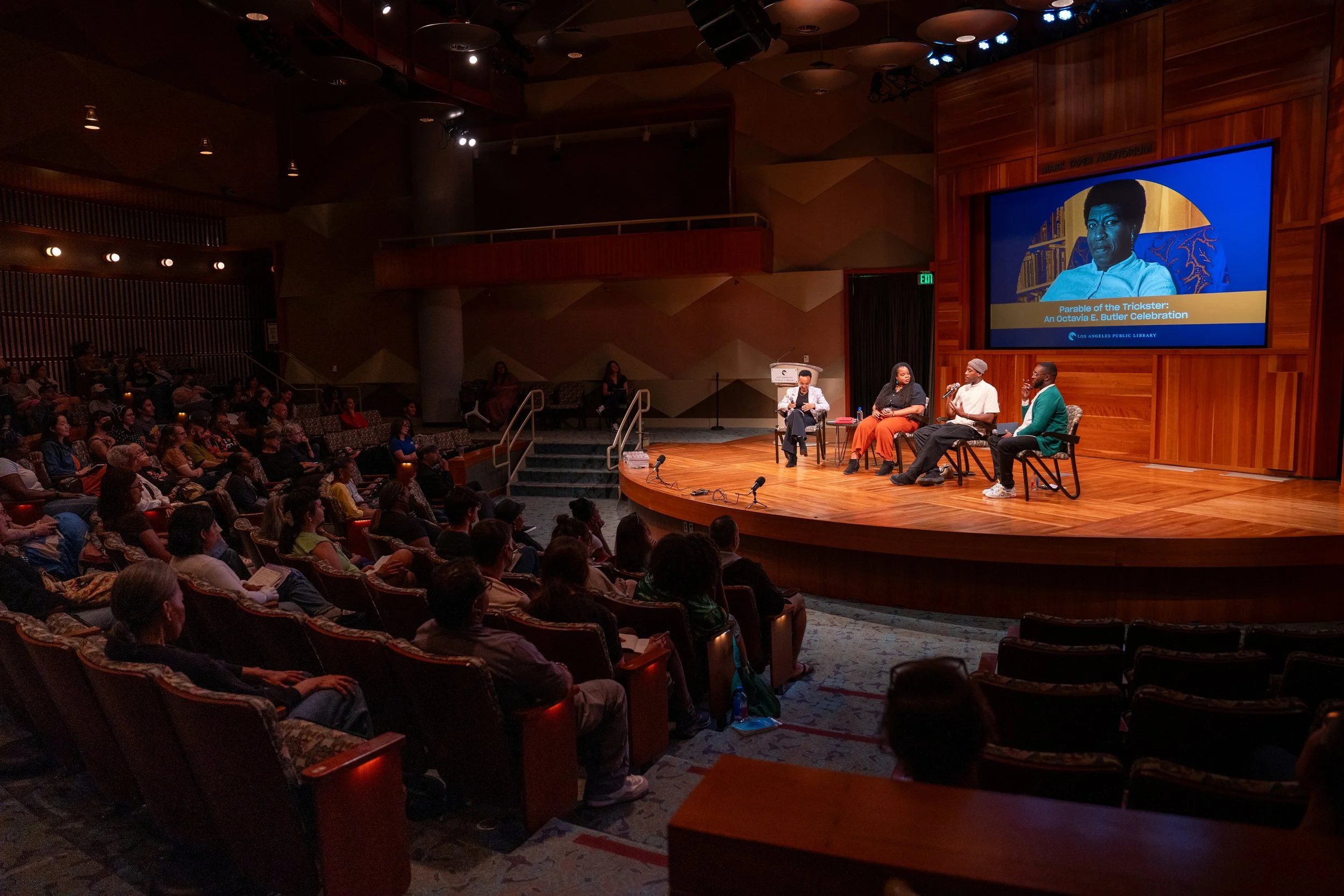
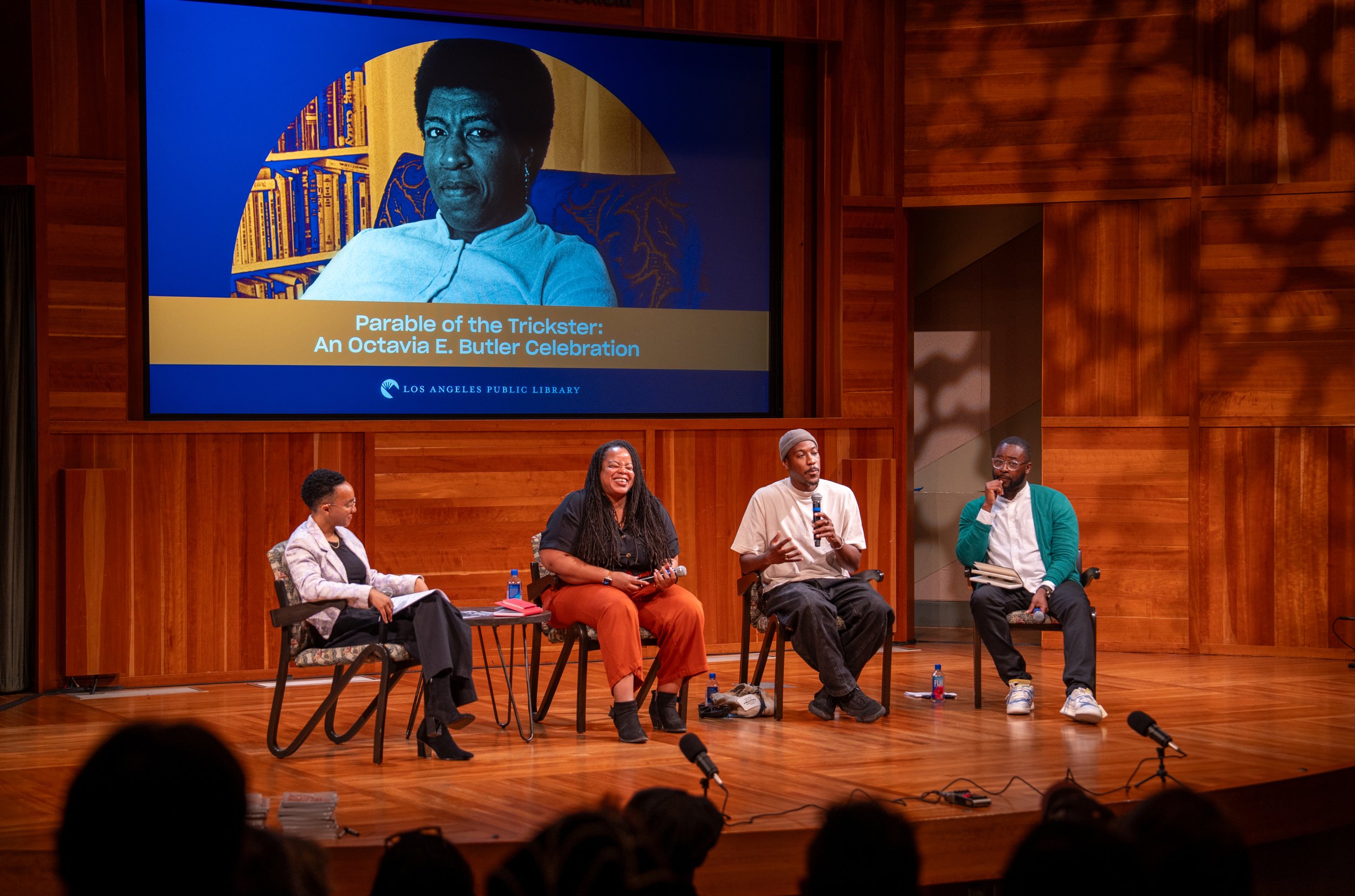
On a Saturday morning in downtown Los Angeles, hundreds of people gathered not around the release of a new book, but around one that was never written.
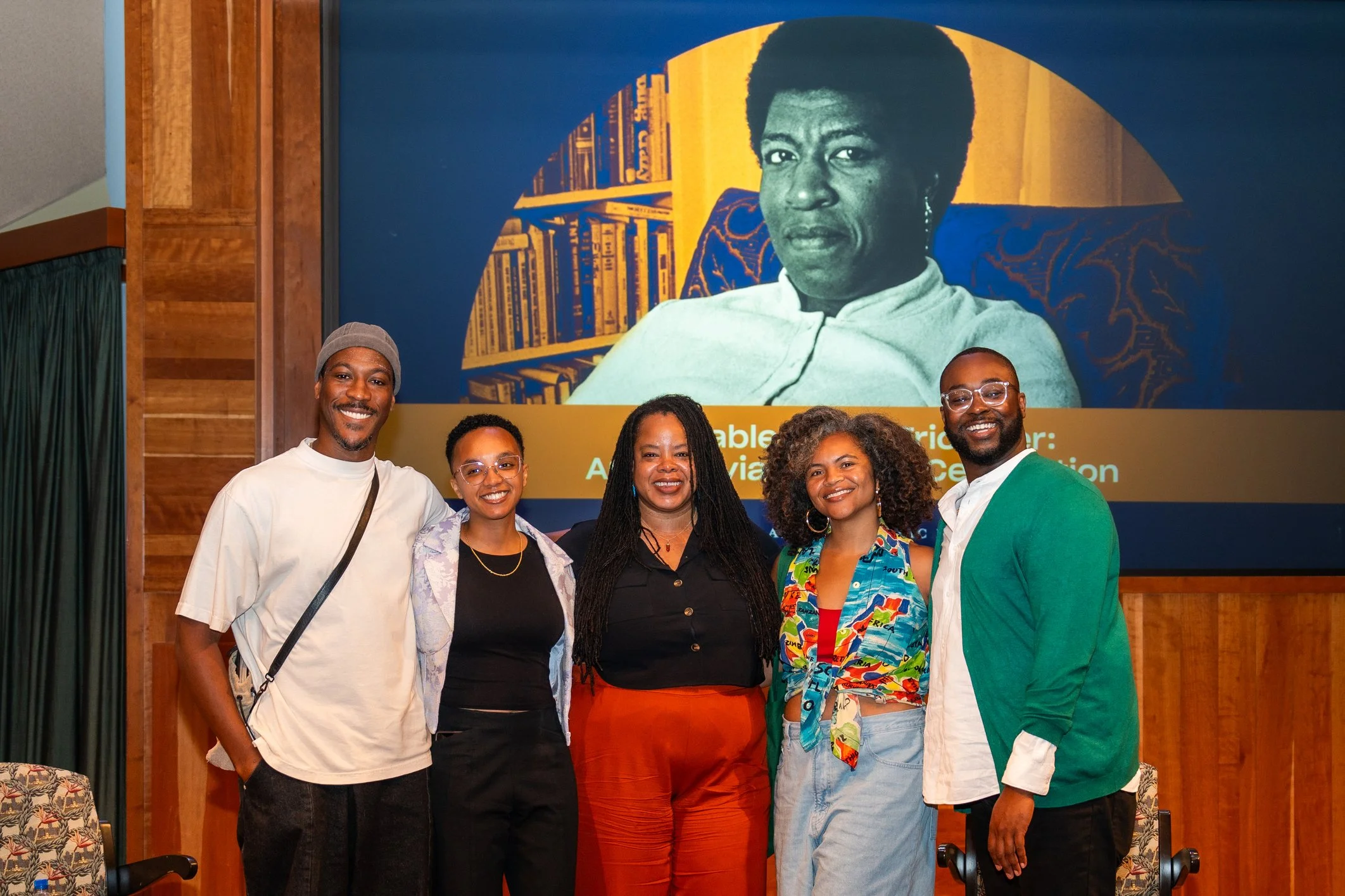
At the Los Angeles Public Library's Parable of the Trickster: An Octavia E. Butler Celebration, scholars, artists, designers, theologians, gamers, and community members assembled to explore the enduring influence of Octavia E. Butler's unfinished third Earthseed novel. It is a remarkable premise when you stop to consider it: an unfinished manuscript has become a catalyst for public imagination.
Before the conversation began, our panel gathered at The Huntington to spend time with the Octavia E. Butler Archive. Surrounded by Butler's handwritten notes, manuscripts, correspondence, research files, and unfinished drafts, we encountered something deeper than source material—we encountered process. We met Octavia Butler at work.
The archive reminded us that imagination is not spontaneous. It is disciplined. It is researched. It is revised. Long before Butler imagined new worlds, she carefully observed this one.
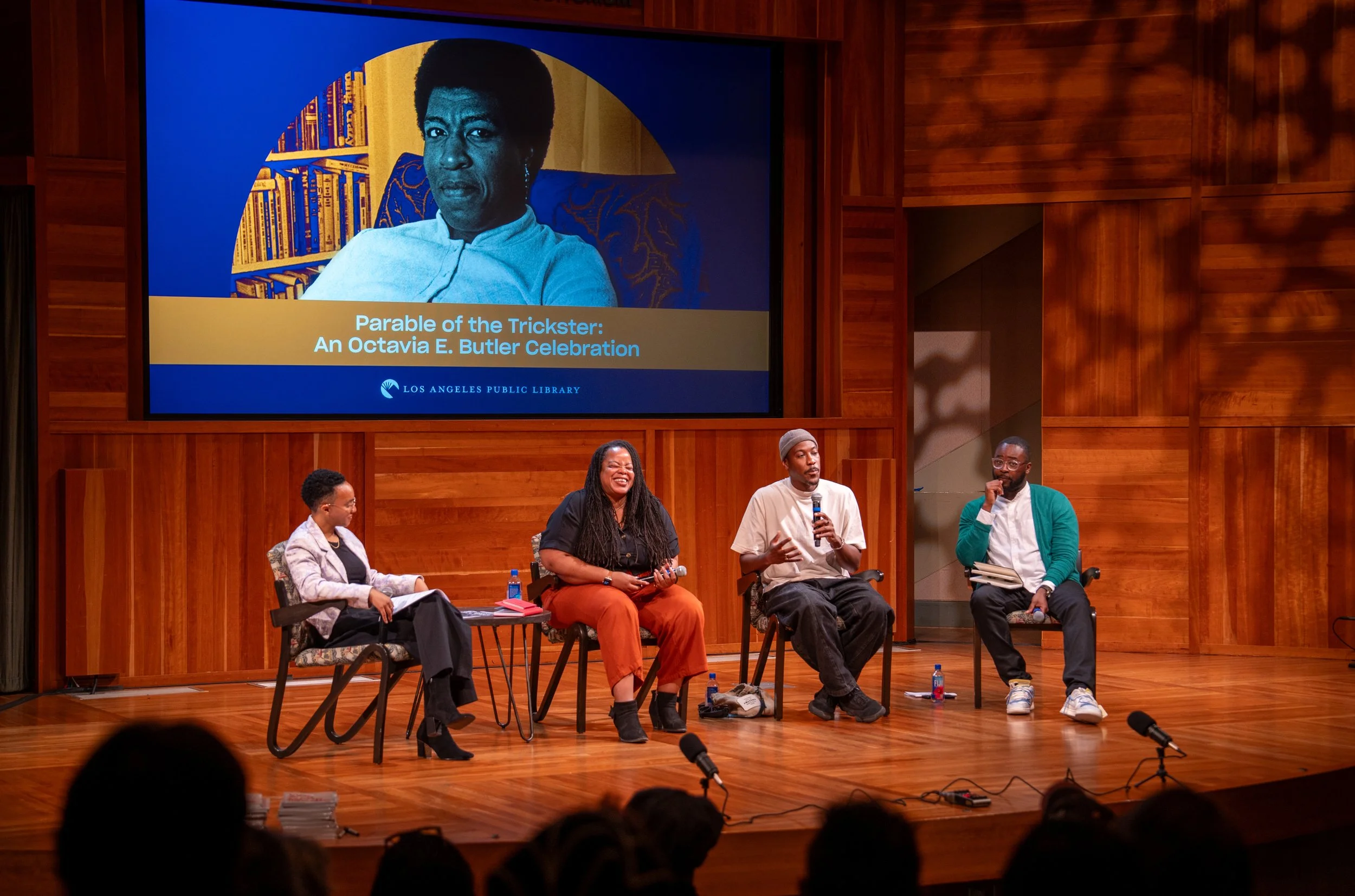
That experience fundamentally shaped the conversation we would later have inside the Taper Auditorium. Alongside Schessa Garbutt, Dr. Tamisha Tyler, and Kevin Bernard Moultrie Daye, we reflected on Butler's unfinished work not as something lacking but as something generative. Parable of the Trickster remains unwritten, yet its absence continues to invite new questions about community, adaptation, spirituality, ecology, and the futures we are responsible for building together.
What made the day especially meaningful, however, extended beyond the panel itself.
Throughout the Central Library, Butler's legacy came alive through screen-printing workshops with Color Compton, tabletop role-playing inside the Octavia Lab, and interactive art-making inspired by her life and imagination. Rather than positioning Butler as an author to be remembered, the celebration invited participants to inhabit her ideas—to imagine, create, and speculate alongside one another.
This was more than a literary celebration.
It was an exercise in civic imagination.
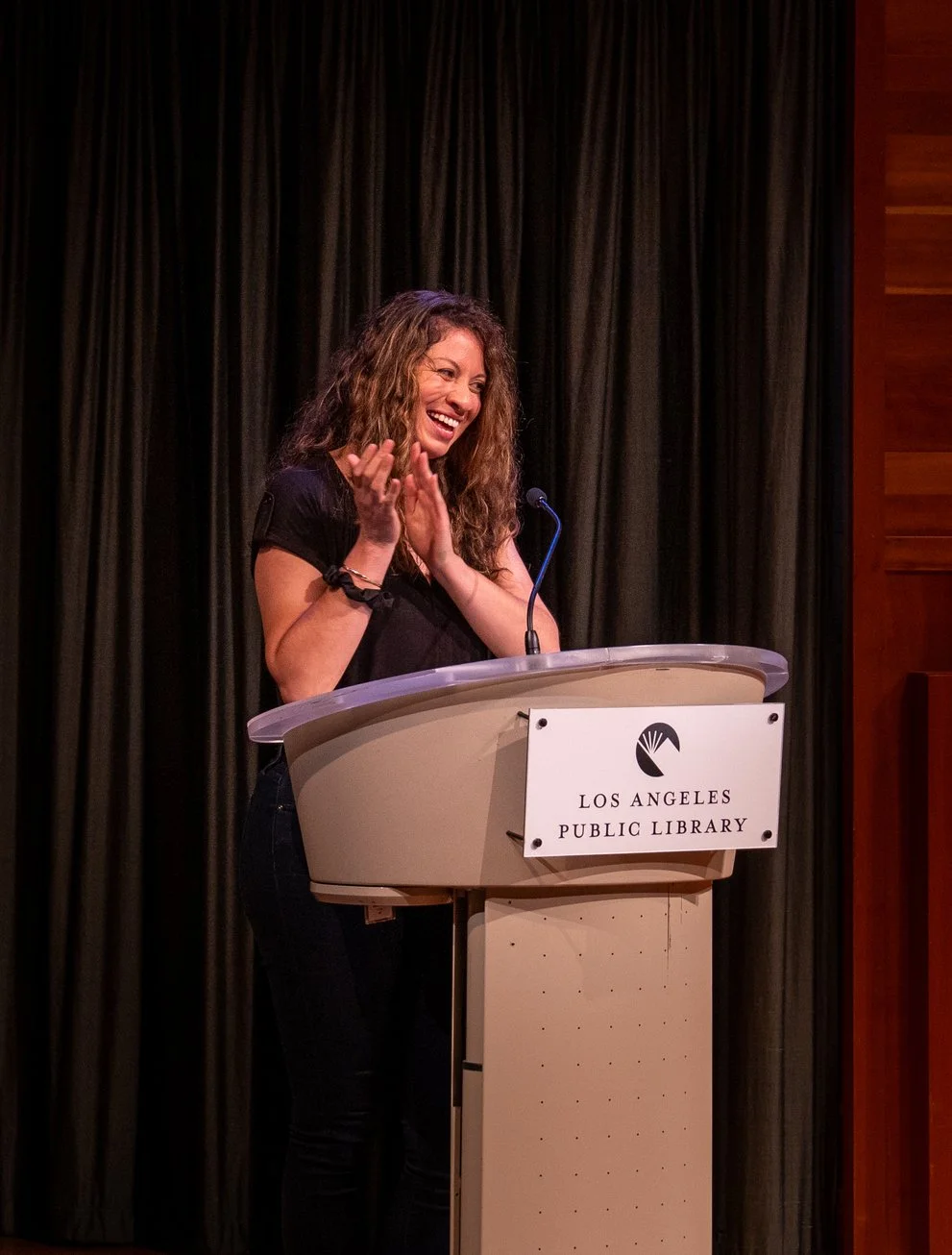
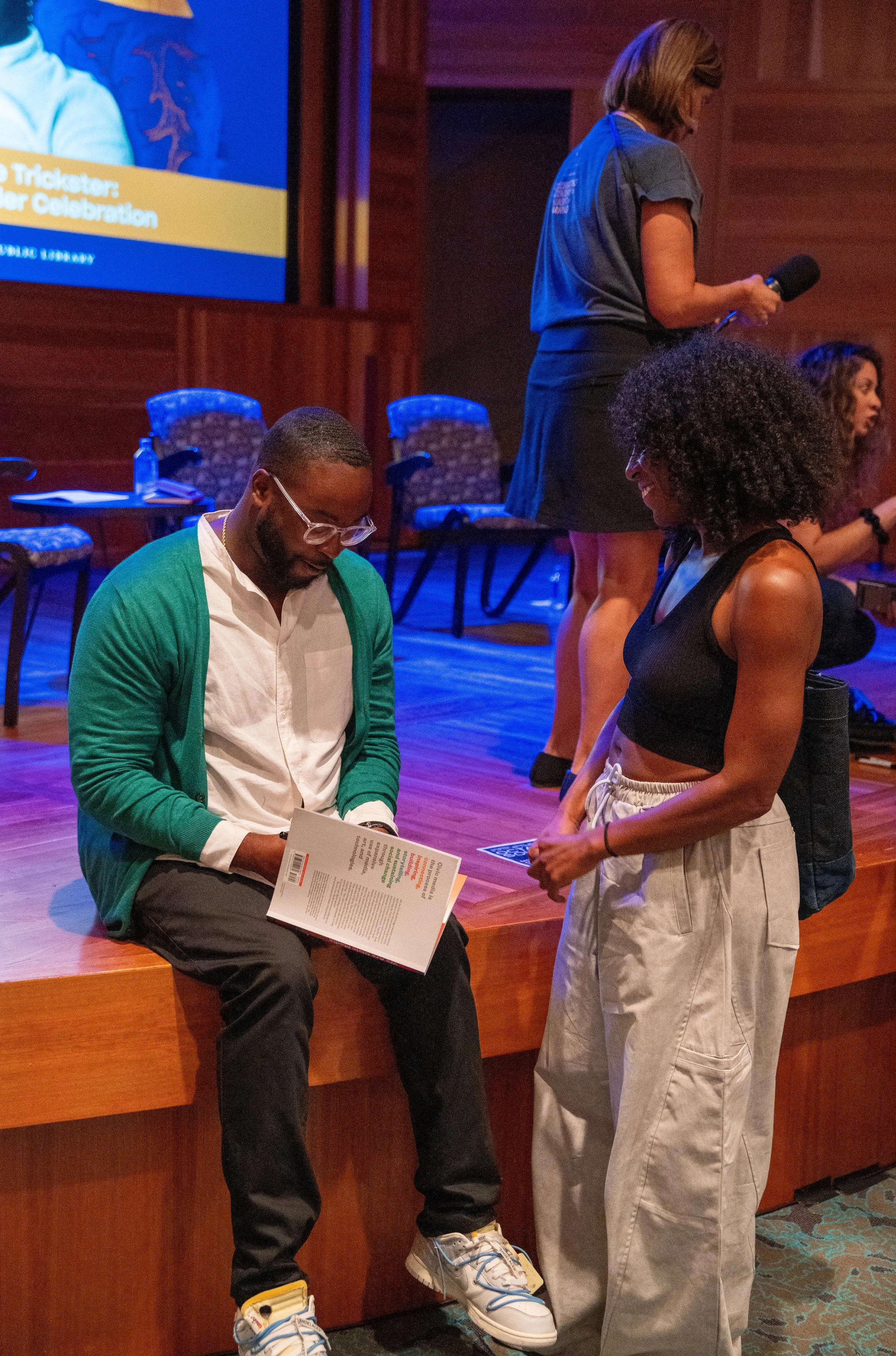
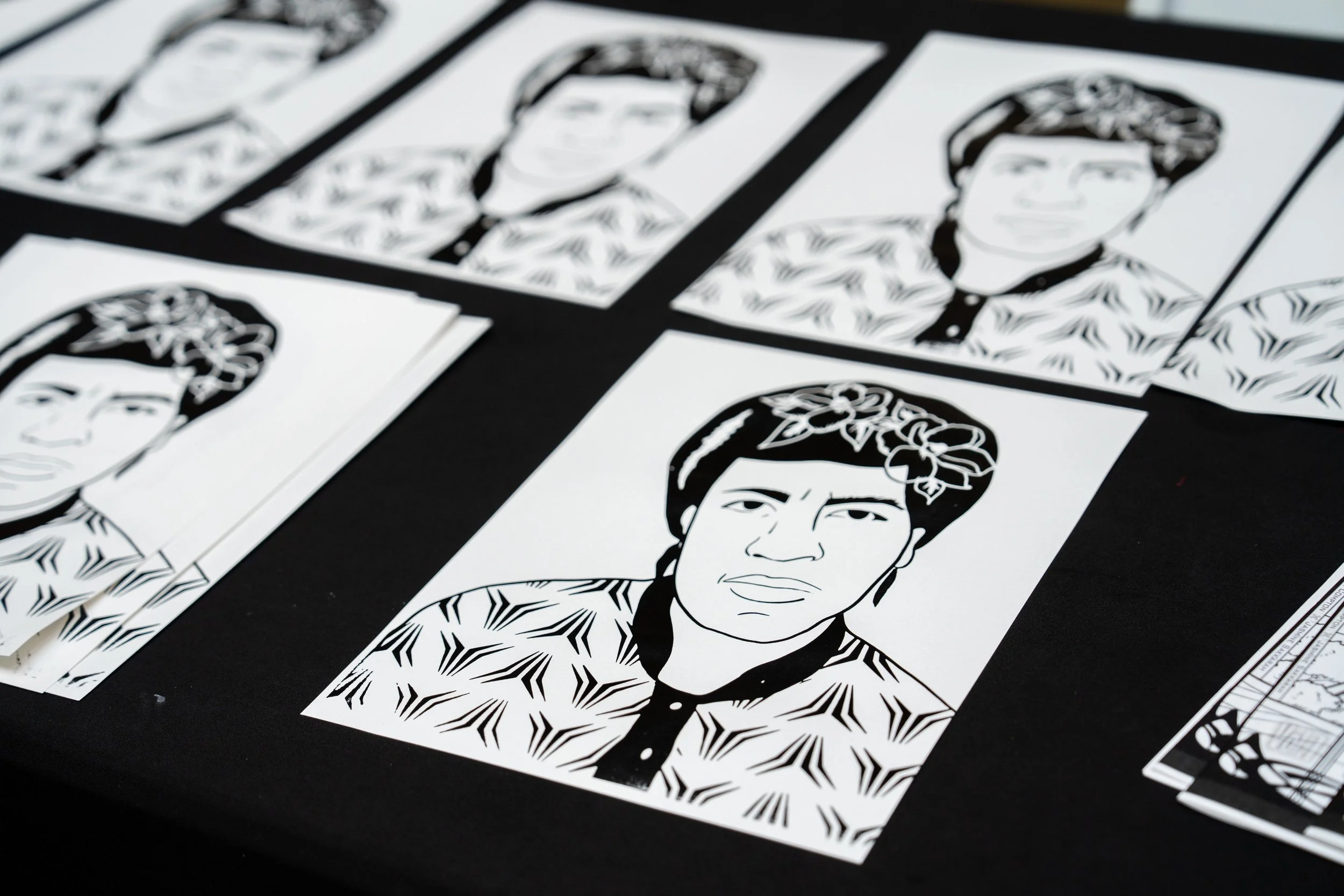
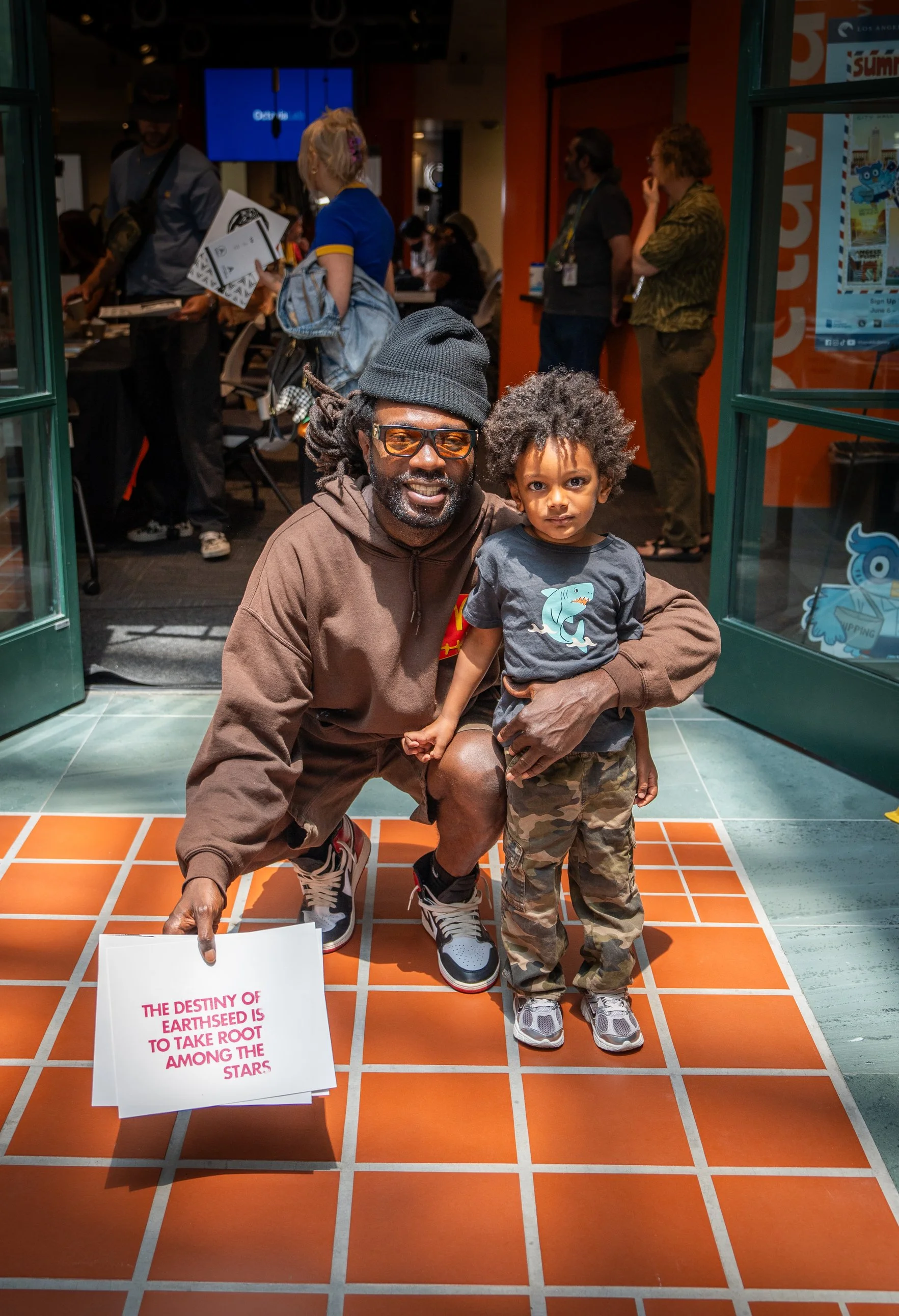
At NOMMO, we believe this is one of the most important roles cultural institutions can play. Museums, libraries, and archives are not simply repositories of knowledge; they are spaces where communities gather to make meaning together. The archive is not the end of a story, but the beginning of a conversation.
Every public program begins long before the audience arrives. It begins with careful research, thoughtful interpretation, and a willingness to listen before speaking. Research, then, becomes more than preparation.
It becomes a form of respect.
As cultural strategists, curators, and public historians, our responsibility is not only to preserve Black intellectual traditions, but to activate them—to create opportunities for communities to encounter these ideas in ways that are participatory, interdisciplinary, and alive.
Because every archive holds more than memory.
It holds possibility.

Afrospatialism™ in Action: Saving the Spaces That Built Us

Earlier this month, NOMMO shared the deeply personal connection between our founder and his cousin and collaborator, Kwasi Boyd-Bouldin of Nonstndrd Creative Projects, and how together they shaped the concept of Afrospatialism™, a framework for seeing, understanding, and protecting Black space. Rooted in the lived experiences of the Great Migration westward, Afrospatialism™ invites us to reclaim, reframe, and resource the spaces we inhabit so they serve the communities that built them.
This week, we’re exploring how that framework applies to physical Black spaces, spaces that are disappearing at an alarming rate, making their preservation more urgent than ever.

Capital B. News
According to a Capital B News investigation above, 500 Black neighborhoods have vanished over the last 45 years. Since 1980, gentrification has displaced more than 500,000 Black residents, while over 3 million new residents, primarily Latino, Asian, and white, have moved into those same neighborhoods. In cities like Atlanta, Washington, D.C., New York, and San Francisco, entire communities have shifted hands within a single generation.
The article features Ted Watkins Sr., founder of the Watts Labor Community Action Committee. In the wake of the 1965 Watts Rebellion, Watkins dedicated his life to building institutions that uplifted his neighborhood. Yet 50 years later, even Watts’ Black population faces displacement. Like Watts, many of these threatened neighborhoods were key destinations during the Great Migration, and they now stand at the edge of erasure.
So how do we respond?
Afrospatialism™ offers a path forward, a multidisciplinary approach that is part practice, part philosophy, rooted in memory, resistance, and vision. It maps a way to reclaim Black spaces and reenact them as living historical sites intentionally shaped for the communities they belong to.
At NOMMO, we see five core applications for Afrospatialism™ as referenced within our framework, linked here:
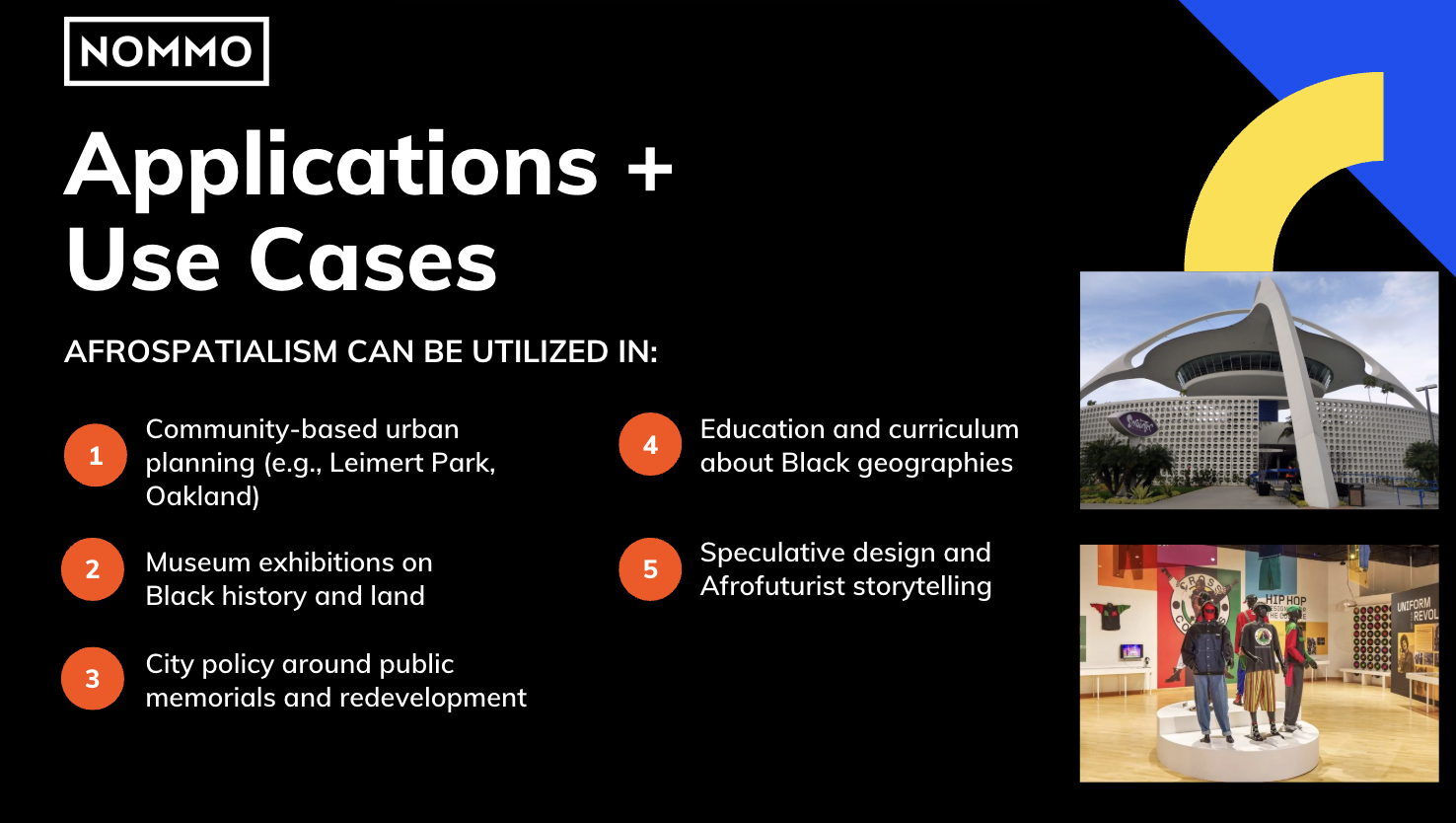
Application & Use Cases for NOMMO’s Afrospatialism™ Framework, here.
Community-Based Urban Planning – Guiding professional and academic urban planners, as seen in places like Leimert Park and Oakland, to design and protect Black spaces with the explicit purpose of historical preservation and cultural continuity.
Museum Exhibitions on Black History and Land – Interpreting and commemorating Black history through exhibitions that preserve physical spaces and narratives while centering community voices.
City Policy on Public Memorials and Redevelopment – Shaping policies that protect, restore, and thoughtfully redevelop public memorials and historically significant Black spaces.
Education and Curriculum About Black Geographies – Creating learning frameworks that research, map, and teach the histories, contributions, and resilience of Black communities.
Speculative Design and Afrofuturist Storytelling – Envisioning new futures for Black spaces through design, art, literature, and media that are informed by history yet unbound by past limitations.
Urban Planning
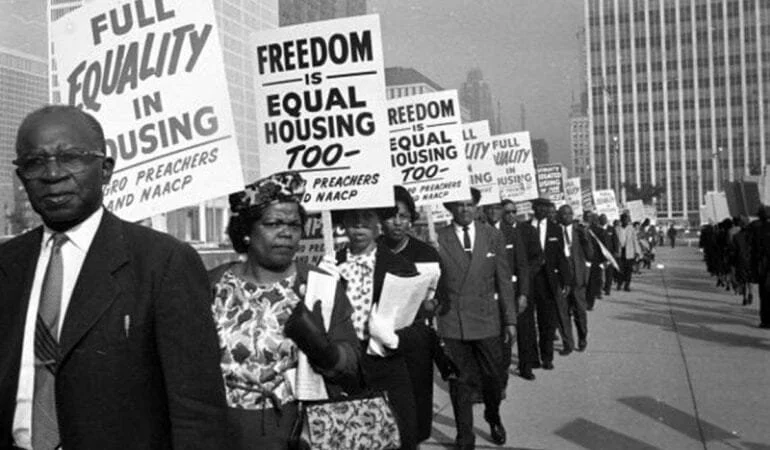
NAACP, Pickets, Housing Discrimination, Detroit, 1963.
Urban planning is central to this work. While African Americans make up 14% of the U.S. population, nearly all existing Black enclaves were born out of necessity in the aftermath of the Civil War. In the 160 years since, no new Black cities have been successfully established—even as historic ones face accelerating erasure. This absence is not accidental; it reflects systemic neglect, disinvestment, and a refusal to treat Black communities as architects of their own futures.
Afrospatialism™ intervenes by challenging planners, policymakers, and cultural leaders to reverse this trend. It insists on envisioning and building Black spaces intentionally, with preservation, self-determination, and future growth at their core. This is not simply about saving what remains—it is about expanding what is possible: designing environments that honor history, sustain community, and secure belonging for generations to come.
NOMMO calls on urban planners, developers, and civic institutions to adopt Afrospatialism™ as a guiding framework. Doing so shifts the field from reactive preservation toward proactive creation—transforming Black space-making into a practice of power, permanence, and possibility.
Museum exhibitions
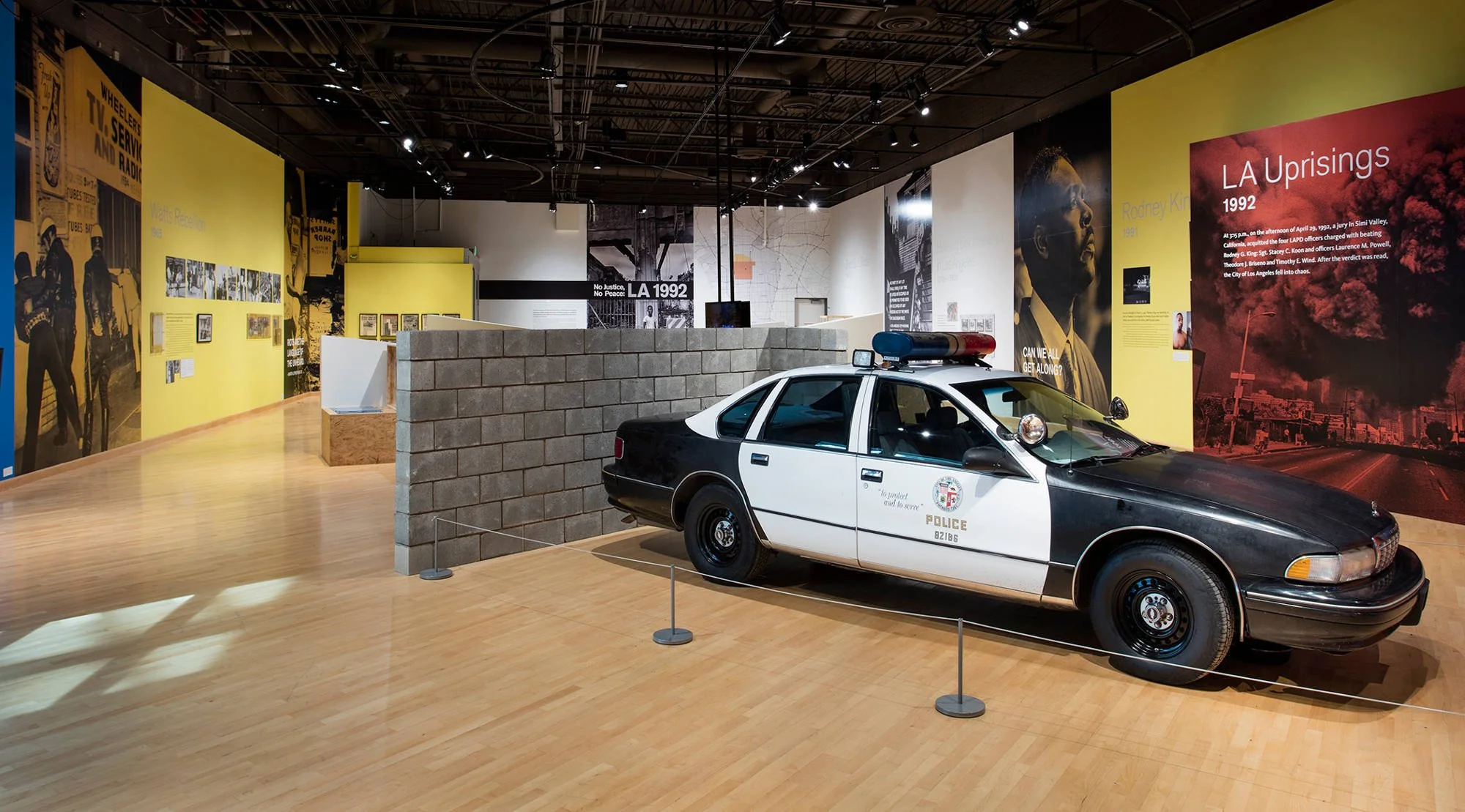
“No Justice, No Peace” LA 1992 - California African American Museum (2017)
Museum exhibitions have long been platforms for showcasing the creativity, resilience, and narratives of Black artists, curators, and communities. At their best, they function as cultural touchstones, preserving histories while inspiring future generations. Yet alignment with a project’s theme does not guarantee that a space is safe, affirming, or even accurate in its representation of Black history and art. Too often, exhibitions slip into performative gestures, undermined by inadequate curatorial follow-through, limited community engagement, or tone-deaf presentation.
Afrospatialism™ reframes exhibitions as sites of responsibility and agency, not just displays of culture. It insists that curators, institutions, and cultural leaders embed Black lived experience at every stage of the process—from conception to interpretation to presentation. This approach demands accountability, depth, and intentionality, ensuring that exhibitions do more than showcase history; they preserve its integrity and advance its relevance.
NOMMO calls on museums to move beyond tokenism and embrace Afrospatialism™ as a guiding framework. By doing so, exhibitions can shift from static presentations into dynamic, community-centered spaces that reclaim memory, resist erasure, and actively imagine Black futures.
Public Policy Around Memorials
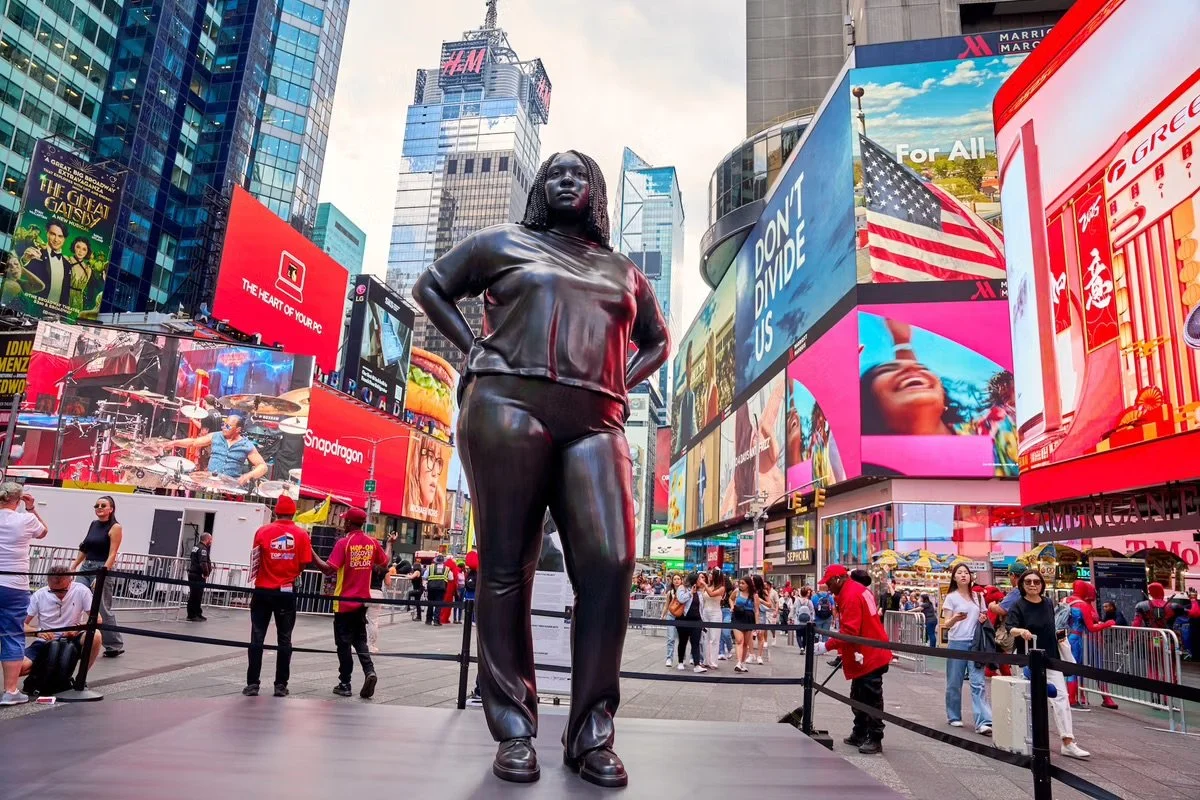
Thomas J Price’s 12ft-tall Grounded in the Stars (2023) is classical in scale and stance, yet contemporary in style.
Photo: Steven Molina Contreras
Public memorials hold tremendous power in shaping how history is remembered, interpreted, and passed forward. They serve as collective anchors for memory, acknowledgment, and cultural pride. Yet without deliberate care, the policies and processes behind their creation, placement, and preservation can perpetuate exclusion, erasure, and misrepresentation of Black histories. Too often, memorials have been erected with little to no community input, resulting in commemorations that distort or diminish the very people they claim to honor.
Afrospatialism™ reframes public memorials as policy-driven cultural commitments. It calls for integrating Black voices and lived experiences into every stage of the process, from concept development and site selection to interpretive design and long-term stewardship. This means advancing public policies that mandate community-led decision-making, secure equitable funding for Black-led memorial projects, and guarantee protections against the removal, neglect, or political targeting of these cultural markers.
NOMMO asserts that this is not simply a matter of preservation, but of justice. Black communities must shape how their histories are honored and how their spaces are remembered. By embedding Afrospatialism™ into public policy, memorials can evolve from static monuments into active, living sites of engagement—preserving history, strengthening identity, and affirming Black presence in the public landscape for generations to come.
Education
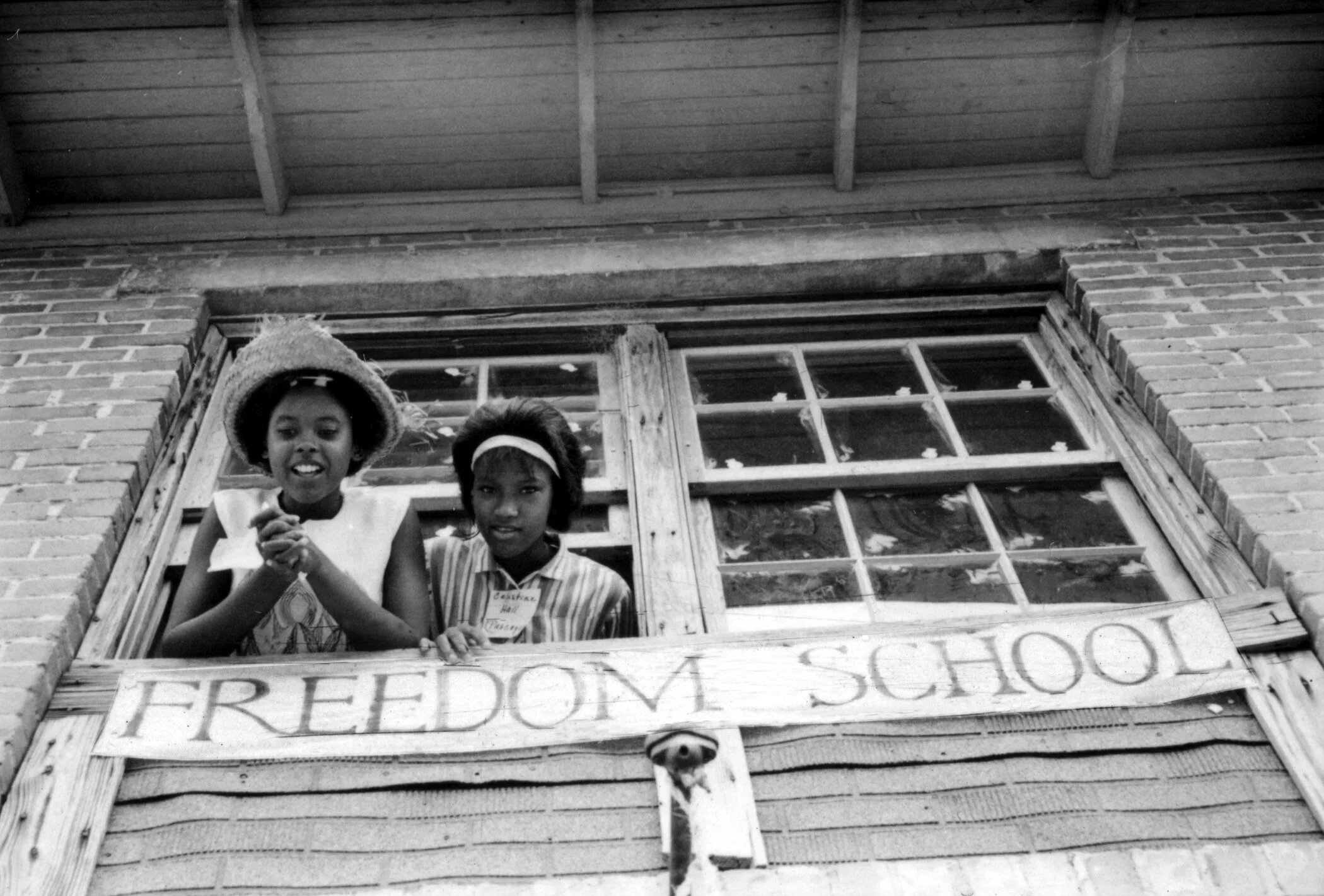
Two girls look out the window of a “Freedom School.” © Ken Thompson, United Methodist Board of Global Ministries
As it relates to education, Afrospatialism™ is not optional; it is essential. Traditional frameworks and curricula in urban planning and architecture overwhelmingly privilege Eurocentric perspectives, systematically excluding the histories and legacies of Black and Diasporic contributions to American design and city-building. Without intentional correction, these omissions reproduce erasure. Afrospatialism™ directly challenges and redefines these frameworks, ensuring that Black spatial histories are recognized as foundational, not marginal.
To close these gaps, new and inclusive curricula must be developed and adopted, particularly within HBCU architectural and urban planning programs such as those at Howard University, Hampton University, and Florida A&M University. Afrospatialism™ provides a lens for building such curricula, grounding students in practices that value cultural memory, community agency, and preservation alongside innovation.
NOMMO advocates for HBCUs to lead this charge. These institutions are uniquely positioned to train the next generation of architects, planners, and designers to center Black community preservation in their work. By embedding Afrospatialism™ into their programs, HBCUs can ensure that the invention, conservation, and flourishing of Black communities remain integral to the stability, resilience, and future of our shared spaces.
Speculative Design and Afrofuturist Storytelling

Octavia. E. Butler
At the heart of this work lies one of the most transformative ideas: using Speculative Design and Afrofuturist storytelling to imagine new futures for Black spaces—through design, art, literature, and media—rooted in history yet liberated from its limitations. These practices allow Afrospatial thought to manifest in physical space, first as a prototype and then as scalable, real-world outputs.
By constructing these designs and narratives, afrostaptialists—whether consciously or not—can explore centralized perspectives of Black space unbound by conventional constraints. Think tanks, labs, and collaborative spaces that nurture Afrospatialist imagination are essential. They facilitate the translation of visionary ideas into tangible exhibitions, policies, memorials, and educational programs that collectively expand the possibilities for Black spatial experience.
Now is the moment to act: support, build, and participate in initiatives that center Afrospatial imagination. Invest in spaces, labs, and projects that allow Black spatial futures to be envisioned, prototyped, and realized. Together, we can ensure that history informs innovation, and imagination reshapes the landscapes of Black life.
In conclusion, embracing Afrospatialism™ offers a transformative approach to the way we perceive and interact with Black spaces, histories, and communities. By placing self-determination, cultural continuity, and community engagement at the forefront, we can reshape urban planning, museum exhibitions, and public policy to reflect the richness and resilience of Black narratives. This commitment to intentionality and accountability not only honors the past but actively paves the way for a future where Black voices are celebrated and empowered. As we move forward, let us challenge the systemic neglect and erasure of Black spaces, cultivating environments that are not just preserved but vibrant and thriving for generations to come. Together, we can create a landscape where every community feels a profound sense of belonging and possibility.